Hey there, if you’re reading this, chances are you’re gearing up to buy crushing equipment for your job site, quarry, or recycling operation—and let’s be real, that price tag isn’t chump change. I’m the guy who runs a crushing equipment supply company, and I can’t tell you how many times I’ve gotten calls from folks panicking about how to make this purchase work without tanking their cash flow. I’ve been in the game long enough to know that financing doesn’t have to be confusing, and I’m here to break it down like I would for a buddy over a coffee. No stuffy jargon, no weird fine print that comes out of nowhere—just real, actionable stuff that actually works for people like you. Crushing Equipment

First off, let’s cut to the chase: crushing equipment is a big-ticket item. Whether you’re grabbing a jaw crusher for a new rock quarry, a cone crusher to upgrade your existing setup, or a mobile impact crusher for recycling concrete and asphalt, you’re looking at five figures minimum, sometimes way more. So figuring out how to pay for it without draining your operating budget is make-or-break. I’ve seen guys skip a month of payroll to buy a new crusher, and that’s a recipe for disaster. You don’t have to do that. Let’s run through the options I actually see our customers use every day, and the ones that make the most sense for different scenarios.
First up, equipment financing loans. This is probably the most common route, and for good reason. Basically, you take out a loan specifically for the crusher you’re buying, and the equipment itself acts as collateral—so the rates are usually way better than a general business loan, especially if you’ve got decent credit. A lot of people ask me, “What credit score do I need for that?” Honestly, it depends, but even if your credit’s a little banged up from a slow season a year back, there are lenders that specialize in equipment financing for small to mid-sized businesses. I work with a few that our customers have had great experiences with, so if you want a recommendation, just holler. The good thing here is you can lock in a fixed monthly payment, so you know exactly what you’re on the hook for every month. No surprises. Also, a lot of these loans have terms that match how long you’ll actually use the crusher—like if you plan to run it hard for 7 years, a 7-year term keeps your payments low, but if you want to pay it off faster, you can usually do that without a penalty. Wait, make sure to ask about prepayment penalties upfront—some lenders sneak those in, and that’s garbage.
Then there’s equipment leasing. A lot of folks sleep on leasing, and I get why—they think it’s just for cars, but it works for crushing gear too. Let’s say you’re not sure how long you’ll need that specific crusher, or you want to upgrade to a newer model in a couple years (because let’s be real, tech in crushing changes fast, and newer models are way more fuel-efficient). Leasing lets you pay a monthly fee to use the crusher for a set term, and at the end, you can either return it, extend the lease, or buy it for a small residual amount. The payments are usually lower than a loan, which is perfect if you’re tight on cash flow but still need the equipment to keep working. I’ve had a few quarry owners tell me leasing let them test a mobile crusher without tying up all their money, and when they were happy with it, they exercised the buy option. The only downside here? If you run the crusher into the ground because you’re being rough on it, you might get hit with extra fees at the end of the lease. So if you’re gonna run it like a rented mule, leasing might not be your move. But if you’re using it for normal operations, it’s solid.
Next, there’s working capital. If you’ve got the cash sitting in your business account and it’s not earmarked for payroll, parts, or other emergency costs, using working capital can actually be a smart move. No interest, no loan applications, no waiting around for approval. I once had a customer who just finished a huge asphalt recycling project, had extra cash left over, and bought their new jaw crusher outright—saved like 15% because they didn’t have to pay any financing fees. But here’s the catch: don’t dip into working capital that’s critical for day-to-day operations. I’ve seen too many guys buy a crusher with cash, then get a huge utility bill or a parts emergency a month later and have to scramble. Only use working capital if you’ve got a separate slush fund that’s not part of your regular operating cash. That’s key.
What about if you’re a smaller operation, like a one-person show or a crew of 3 or 4, and you can’t get a big loan? Or maybe your credit’s not great because you’re just starting out? That’s where SBA loans come in. The Small Business Administration backs these loans, so lenders are more willing to work with folks who might not qualify for other loans. The rates are really competitive, and terms can be up to 10 years for equipment, which keeps payments super low. The only downside is that the application process is a little more involved—you’ve got to put together a business plan, financial statements, all that stuff. But if you’re willing to put in the work, it’s a great option. I’ve helped a few new quarry owners walk through the SBA process, and once they got approved, they were able to grab a solid crusher without breaking the bank.
Then there’s the option of trade-ins. A lot of people overlook this, but it’s a huge money-saver. If you already have old crushing equipment sitting around, or even other construction gear you’re not using, you can trade it in as part of the down payment on your new crusher. I see this all the time: a customer brings in an old cone crusher that’s still running, we assess its value, and that knocks thousands off the price of their new impact crusher. It’s basically like getting a discount, but you don’t have to sell the old equipment yourself, which saves you the hassle of listing it, negotiating with buyers, dealing with inspections, all that junk. Just make sure you’re upfront about the condition of your trade-in—don’t hide a broken part or something, because that’ll just cause headaches later. Be honest, and we’ll give you a fair value.
Wait, let’s talk about a few pro tips that I’ve picked up over the years, because a lot of people make mistakes here. First, don’t just go with the first financing offer you get. I’ve had customers come to me with an offer from some random online lender that had a super low monthly payment, but when we dug into the fine print, the interest rate was like 20% and there were all kinds of hidden fees. Shop around—talk to banks, credit unions, equipment-specific lenders, even the financing arm of the company you’re buying from (we actually offer our own financing, by the way, so that’s another option). Compare the APR, not just the monthly payment—because a lower monthly payment with a longer term might end up costing you way more in interest over time.
Second, think about the total cost of ownership, not just the upfront cost. A crusher that’s cheaper to buy might be way more expensive to run—like, if it guzzles fuel, needs repairs every other week, or doesn’t have the production capacity you need. That’s why financing isn’t just about how you pay for it, it’s about making sure you’re paying for the right crusher in the first place. I always tell customers to figure out their production needs (how much material do you need to crush per hour? What size do you need it to be?) before they even start looking at financing. Because there’s no point in getting a great loan for a crusher that’s too small or too inefficient for your job.
Another big one: plan for downtime and emergencies. Let’s say you finance a crusher with a 5-year term, and halfway through, your existing crusher breaks down unexpectedly. If you’ve got flexible financing, you might be able to adjust the term or even get a temporary equipment rental to cover you while you wait for your new one. That’s why I recommend working with lenders that let you modify your plan if you need to—no one’s business is perfect, and stuff comes up. I’ve had customers have to push a payment back a week because a big job got delayed, and that’s way better than paying a late fee that kills your cash flow.
Wait, what about when you’re buying used equipment? A lot of people go that route to save money, and financing for used crushing equipment is actually pretty common too. The terms are usually a little shorter and rates might be a touch higher than new, but it’s still a solid option if you’re on a tight budget. Just make sure you have a trusted mechanic (or even me, if you want to send us the serial number) inspect the used crusher before you buy it. Don’t just take the seller’s word that it’s in good shape—crushers take a beating, and hidden issues can cost you thousands in repairs down the line.
Let me give you a quick example of how this works in real life. Last quarter, a customer of mine ran a small concrete recycling business out of a couple of job sites. He wanted a mobile impact crusher to process leftover concrete into aggregate for new driveways. He didn’t have enough cash to buy it outright, and his credit was a little rough because he had a slow stretch during winter. We worked with him to get an SBA loan with a 7-year term, fixed rate of around 6%, and his monthly payment was like $1,800. That fit perfectly into his budget—he was making that much extra every month from the new recycling jobs he could take on with the crusher. Six months later, he told me the crusher had already paid for itself, and he’s planning to upgrade his secondary setup next year. That’s exactly what financing is supposed to do—help you grow without stress.
Another example: a new quarry owner out west. He had a small loan from a local bank, but when he wanted to upgrade his jaw crusher to handle bigger jobs, the bank turned him down because he was still in the first year of his business. We suggested leasing the new crusher—10-year term, no upfront down payment, monthly payments of $2,200. He used the crusher to land a huge contract with a road construction company, and once he had steady revenue, he exercised the buy option at the end of the lease for a small fee. That would’ve been impossible if he’d tried to get a loan right when he started.
Now, let’s talk about what to avoid. I see this all the time: people take out a short-term loan with super high interest just because they need the crusher right away. That’s a trap. I had a customer a couple years ago who took a payday-style loan for a mobile crusher, and the interest ended up being like 30%—he paid twice as much for the crusher as he should have. Don’t do that. If you need equipment fast, there are flexible financing options that don’t charge crazy rates, so shop around. Also, don’t overbuy. It’s tempting to get the biggest, baddest crusher on the market, but if you only need it to run 40 hours a week, you’re wasting money on capacity you’ll never use. Figure out exactly what you need, then finance that.
At the end of the day, financing a crushing equipment purchase is all about matching the option to your specific situation. There’s no one-size-fits-all. If you’ve got cash to spare, working capital is great. If you want flexibility to upgrade, leasing is perfect. If you need lower rates and decent terms, equipment loans or SBA loans are the way to go. And don’t sleep on trade-ins—they can save you a ton of hassle and money.
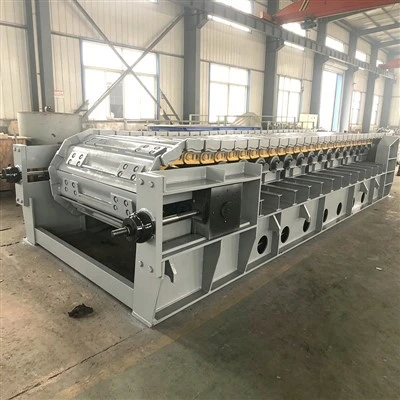
If you’re still confused about what route makes sense for you, don’t overthink it. Reach out, tell me what you’re working with—how much material you need to crush, your current cash flow, your credit situation, all that. I’m not here to push you into a financing plan that’s bad for you. I’ve been in this long enough to know that the best thing for both of us is you get a crusher that works for your business and a financing plan that doesn’t stress you out. Let’s chat, walk through your numbers, and figure out exactly what’s going to make this purchase work for you.
Coupling REFERENCES
Equipment Leasing and Finance Association. (2023). 2023 Annual State of the Equipment Finance Industry Report.
U.S. Small Business Administration. (2024). SBA 7(a) Loans: Equipment Financing Guide.
National Stone, Sand & Gravel Association. (2023). Small Business Guide to Crushing Equipment Purchases and Financing.
Shenyang Muren Machinery Co., Ltd.
As one of the most professional crushing equipment manufacturers and suppliers in China, we’re featured by quality products and good price. Please rest assured to wholesale durable crushing equipment from our factory. We also accept customized orders.
Address: No.16 Nansan Road, Shenyang Jinhai Economic Zone, Liaoning Province, China
E-mail: mulunjixie@163.com
WebSite: https://www.symurens.com/
