Alright, let’s cut to the chase—if you’ve ever seen that big, glossy, cylindrical truck rumbling down the highway with a bright warning sign on its back, you’ve probably stared at an oil tanker trailer. But let’s be real, most folks don’t actually stop to ask: what is this thing even used for beyond looking intimidating? And since I’m the guy who sells these bad boys for a living (no stuffy corporate suits here, just a regular guy who’s been troubleshooting these things for 12+ years), I’m gonna break it down for you like I would for a buddy at a BBQ. No jargon, no fluff, just the real deal. Oil Tanker Trailer

First off, let’s get one thing straight: not all oil tanker trailers are for “oil” like the stuff you put in your car. Wait, hold on—yes, some are, but that’s just the tip of the iceberg. Most people don’t realize these things are basically mobile storage tanks on wheels, built to move liquids that are either too dangerous, too messy, or just too big to ship via a regular box truck or pipeline. And before you ask, no, you can’t just haul water in an oil tanker trailer (well, technically you could, but why waste a good one? These things are engineered for specific fluids). Let’s start with the most obvious use, because that’s where a lot of people’s brains jump first.
Crude oil and refined petroleum products. That’s the big one, right? The stuff that powers our cars, heats our homes, and runs most industrial machinery. But here’s a little secret: pipelines aren’t everywhere. Yeah, we have a network of them crisscrossing the country, but they don’t reach every small oil well, every rural gas station, or every remote refinery. So when an oil well just popped up in West Texas and there’s no pipeline within 50 miles, who you gonna call? Tanker trailer drivers—they’re the unsung heroes here. They show up at the well site, hook up to a wellhead, and suck that black gold into the trailer’s insulated (or sometimes pressure-rated) tank, then haul it to the nearest collection point or refinery. Same thing with refined stuff: when a gas station’s underground tank is running low on regular unleaded, it’s not a pipeline that shows up—it’s a tanker trailer. The driver pulls up, connects the hose, and pumps thousands of gallons of gas right into the station’s tanks. And let’s not forget diesel for semi-trucks, jet fuel for airplanes (wait, no—jet fuel is usually in bigger planes, but smaller airports or regional hubs use these too), and even heating oil for homes in cold states. These trailers can carry anywhere from 5,000 to 11,000 gallons, depending on the model, so they’re perfect for medium-distance hauls that pipelines can’t handle.
But here’s where it gets interesting: oil tanker trailers aren’t just for petroleum. A lot of people are surprised to learn they haul chemicals and industrial fluids too. Think about it—factories make all kinds of stuff that’s liquid or semi-liquid, from cleaning solvents to food-grade oils (wait, hold on, food-grade is a whole separate category—we’ll get to that). Chemical manufacturers use these trailers to ship things like lubricants for heavy machinery, antifreeze, even pesticides that are too toxic to put in regular shipping containers. But here’s the catch: you can’t just haul any chemical in any old tanker. Those trailers have specialized liners—like stainless steel, polyethylene, or even fiberglass—to keep the fluid from corroding the tank or getting contaminated. For example, if you’re hauling hydrochloric acid, you need a trailer with a super tough plastic liner so the acid doesn’t eat through the steel. And if you’re hauling something flammable, like gasoline, the trailer has static discharge strips and pressure relief valves so it doesn’t blow up if there’s a spark. I’ve seen guys try to cut corners on this, and let me tell you, it’s not worth it—last year, a buddy of mine had a trailer that didn’t have the right liner for a certain chemical, and it leaked all over a highway in Ohio. Total nightmare, cost him $200k in cleanup and fines. So yeah, specialization is everything here.
Now, the part that might make you go “wait, that’s what? Food-grade oil tanker trailers.” Yep, you heard that right. Believe it or not, some of the cleanest, most well-maintained oil tanker trailers in the world are the ones that haul food products. Not cooking oil, though that’s part of it—wait, no, even bigger stuff. Think about the syrup that goes into your favorite soda (high-fructose corn syrup, or maple syrup for the fancy stuff), molasses, even liquid chocolate for candy factories. And let’s not forget milk—wait, hold on, milk is sometimes hauled in specialized tanker trailers too, though those are often called milk tankers, but they’re technically a type of oil tanker trailer (just with way stricter cleaning rules). Food-grade trailers have to be spotless every single time you use them—no leftover chemicals, no rust, no weird smells. We actually have a guy on my team whose whole job is cleaning these trailers after a haul, and he uses so much hot water and food-grade soap that his hands are permanently dry. These trailers are so important for the food industry because you can’t exactly ship 10,000 gallons of chocolate in a bucket. It’s way more efficient to put it in a insulated tanker and keep it at the right temperature during the drive, so it doesn’t harden up before it gets to the factory. I once hauled a load of liquid peanut butter to a snack factory in Georgia—crazy, right? But that trailer was specially lined so the peanut butter didn’t stick to the sides, and it had a heater to keep it from getting too thick. No way you could do that with a regular truck.
Wait, let’s not sleep on the construction and agriculture industries either—those guys use these things all the time too. Construction sites need things like asphalt emulsions (that’s the goop they spray on roads before paving) and liquid cement additives, right? And agriculture? Man, farmers use oil tanker trailers for everything from hauling water to their crops during droughts (though they usually call those water tankers, same basic design) to hauling liquid fertilizers and pesticides. Think about it: you can’t pour 5,000 gallons of fertilizer on a field with a hose—you need a big tank that can carry it and spread it evenly. Some farmers even use these trailers to haul milk from small family farms to processing plants, since not all farms have a pipeline nearby. And let’s not forget disaster relief—when a hurricane hits and the power goes out for weeks, folks need water to drink, right? The National Guard uses oil tanker trailers (modified to carry only clean water, of course) to haul water to areas that are cut off. I helped out with that after Hurricane Ian a couple years back—saw a trailer unload 10,000 gallons of water to a town in Florida that had no running water. That’s when you realize these things aren’t just for making money—they’re actually critical for keeping people safe.
Now, let’s talk about why these trailers are so different from regular trailers, because that’s a question I get all the time from new drivers or guys thinking about buying their first one. For starters, the tank itself isn’t just a big metal barrel. Most are designed with multiple compartments—like 2 or 3 separate sections—so you can haul different fluids at the same time. For example, you could haul gasoline in one compartment and diesel in another, as long as they’re not flammable together. Some tanks are insulated, like I mentioned earlier, so they keep hot fluids hot and cold fluids cold—perfect for chocolate or jet fuel, which needs to stay at a certain temperature. And every single one of these trailers has all kinds of safety features: pressure relief valves to stop the tank from blowing up if the fluid expands in the sun, emergency shut-off valves so you can stop a leak in 2 seconds flat, and those reflective warning signs that say “FLAMMABLE” or “CORROSIVE” so other drivers know to give you space. Driving one of these isn’t like driving a regular pickup truck—you have to be way more careful, because if you take a turn too fast, the liquid sloshes back and forth and can tip the whole trailer over. I’ve seen that happen too—guy was in a hurry, took a highway exit at 50 mph, and his tanker rolled over. Total mess, no one hurt but his trailer was toast.
So here’s the thing: if you’re someone who needs to move large quantities of liquid—whether it’s oil, chemicals, food, water, whatever—an oil tanker trailer is basically the only game in town. Sure, you could use a pipeline if it’s a long-term route, but if you need flexibility, if you’re going somewhere the pipeline doesn’t reach, if you only need to haul a load every now and then, a tanker trailer is your best bet. And as a supplier, I can tell you that the demand is always there—every industry that deals with liquids needs these things, and they’re built to last (though they need regular inspections, of course, because safety is non-negotiable).
Now, let’s cut to the chase if you’re thinking about buying one. Whether you’re a small trucking company looking to add to your fleet, a farm needing to haul fertilizers, or a food factory that needs to get raw materials, we’ve got a tanker trailer that fits your needs. We don’t do one-size-fits-all here—we build them with the exact liners, insulation, and compartments you need for the fluids you’re hauling. We also do maintenance and repairs, because these things take a beating on the road, and you can’t afford to have your trailer break down in the middle of a haul.
If you’re tired of working with suppliers who give you generic trailers that don’t do what you need, or who nickel-and-dime you on repairs, hit us up for a chat. We’ll walk you through the different types, help you figure out exactly what you need, and make sure you’ve got a trailer that’s safe, reliable, and built to last. No pressure, no stuffy sales pitches—just a real guy who’s been in this game long enough to know what works.
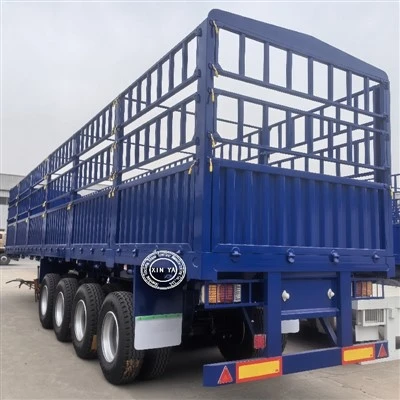
Now, before I wrap this up, I should mention some quick notes just to keep it real: not all tanker trailers are the same, and there are strict regulations on how you use them. You can’t haul flammable chemicals in a food-grade trailer, you have to get regular inspections, and drivers need special licenses to operate these things. But that’s a whole other blog post—for now, just remember that oil tanker trailers are way more versatile than most people think, and they’re the backbone of moving almost every liquid product you use every single day.
Bitumen Tanker Trailer References:
National Highway Traffic Safety Administration. Commercial Motor Vehicle Safety Standards for Tank Trailers.
American Petroleum Institute. Specifications for Tank Trucks and Tank Trailers for Petroleum Products.
Food and Agriculture Organization of the United Nations. Guidelines for Food-Grade Transport Containers.
Occupational Safety and Health Administration. Hazard Communication Standards for Chemical Transport.
Shandong Yuncheng Xinya Trailer Manufacturing Co., Ltd.
Shandong Yuncheng Xinya Trailer Manufacturing Co., Ltd. is one of the most experienced oil tanker trailer manufacturers and suppliers in China, featured by quality products and good service. Please rest assured to buy CE approved oil tanker trailer from our factory. Contact us for customized service and OEM service.
Address: No. 008, Hexie Road, Yangzhuangji Town, Yuncheng County, Heze City, Shandong Province
E-mail: fiona@xinyatrailer.com
WebSite: https://www.china-truckfactory.com/
