If you’ve ever watched a steel mill in action—big, red-hot furnaces roaring, molten metal glinting like liquid sunlight, cranes hauling tons of raw materials around—you might’ve wondered how every step comes together so smoothly. Sure, everyone talks about iron ore, coal, and scrap metal as the stars of the show, but there’s a behind-the-scenes player that’s just as critical: silicon slag. As someone who’s been supplying silicon slag to steel mills for over a decade, I’ve seen first-hand how this unassuming byproduct makes all the difference in the quality, efficiency, and sustainability of steel production. Let’s break it down, no stuffy industry jargon, just the real deal. Silicon Slag
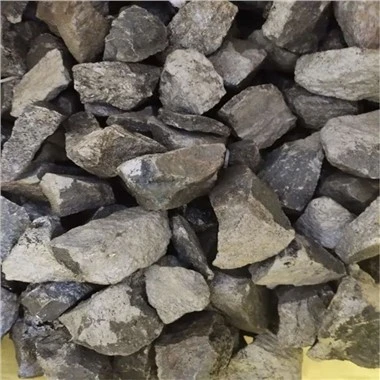
First off, let’s clear up what silicon slag actually is. A lot of folks mix it up with steel slag, which is that rocky byproduct left over after molten steel is processed in the furnace. No, silicon slag’s a different beast. It’s the leftover material from producing silicon metal or ferrosilicon (that’s a key alloy for steel) in electric arc furnaces. When you heat quartz, coke, and wood chips to super high temps (like 2,000°C+), the silica in quartz breaks down to make silicon. The gunk that doesn’t melt into pure silicon? That’s silicon slag. At first glance, it looks like a crumbly, greyish-black rock, but don’t let its plain appearance fool you—its chemical makeup (mostly silicon dioxide, plus small amounts of aluminum, calcium, and carbon) is tailor-made for steel manufacturing.
Now, why do steel mills even care about it? Let’s start with the big one: deoxidation. Molten iron straight from the blast furnace is chock-full of oxygen. If you leave that oxygen in, it forms iron oxide bubbles as the steel cools, making it weak, full of defects, and useless for anything from car bodies to construction beams. Deoxidation is the process of pulling that oxygen out, and silicon slag is a rockstar here. Unlike some other deoxidizers that react too fast and cause splatters in the furnace, silicon’s reaction with oxygen is slow, controlled, and super effective. When I supply silicon slag to mills, they blend it into the molten steel at just the right dose—usually 0.1% to 0.5% of the total steel batch. The silicon binds with oxygen to make silicon dioxide, which floats to the top as slag (wait, that’s a little confusing, right? One type of slag making another type of slag? Yeah, just go with it) and gets skimmed off. The end result is steel that’s denser, stronger, and way more consistent. I’ve had mill managers tell me switching to silicon slag for deoxidation cut their defect rates by almost 15%—that’s huge when a single steel batch can cost tens of thousands of dollars.
Next, there’s alloying. Steel isn’t just iron and carbon; tiny amounts of other elements change its properties. If you want steel that’s tough enough for heavy machinery, rust-resistant for pipelines, or flexible enough for car frames, you add alloys like silicon. Wait a second—can’t mills just add pure silicon? Sure, but pure silicon is pricey, and it reacts so violently with the other materials in the furnace that it’s hard to control. Silicon slag, on the other hand, is a cheaper, more manageable source of silicon. The small amounts of calcium and aluminum in it are a bonus, too. Calcium helps improve the shape of non-metallic inclusions in steel, which makes it more ductile (so it doesn’t crack when you bend it or pound it) and aluminum helps with grain refinement—making the steel’s internal structure tighter and more uniform. I work with mills that use our silicon slag to make low-carbon steel for electrical transformers, which needs to conduct magnetic energy super well—silicon is key there, and our slag gives them exactly the right mix without breaking the bank.
Then there’s slag conditioning. When molten steel is in the ladle (that big, insulated container you see moving the metal around the mill), you have to keep the furnace walls and ladle lining from getting damaged. Silicon slag helps here too. It forms a protective layer on the inside of the ladle, which acts as a barrier between the hot steel and the refractory lining (the heat-resistant bricks that keep the ladle from melting). If that lining gets scratched or eroded, you’ve got a big problem—molten steel can leak, which is not only dangerous but also wastes a ton of material. Our silicon slag has a low melting point, so it stays soft and spread evenly across the ladle walls, no hot spots that cause wear. One of my regular clients, a mid-sized steel mill in the Midwest, told me that using our slag for conditioning extended their ladle’s lifespan by 20%. That means less downtime replacing linings, more steel produced, and lower operating costs. Win-win.
Sustainability’s a big buzzword in manufacturing these days, and silicon slag plays a part there too. Remember, it’s a byproduct—we’re not mining new material just to make it. A lot of steel mills used to either send silicon slag to landfills or pay to dispose of it, but now they’re reusing it in their own processes. That cuts down on waste, reduces the need for new raw materials, and even lowers carbon emissions. Because producing pure silicon has a big carbon footprint, using a byproduct means the steel mill is avoiding that impact. I’ve seen mills that now recycle their own silicon slag leftover from making ferrosilicon, blend it with the slag I supply, and reuse it in their ladles. It’s a circular loop that saves them money and helps them hit their sustainability goals—something every company’s scrambling to do right now.
Wait, but let’s be real—it’s not all sunshine and rainbows. There are mistakes you can make if you don’t use silicon slag right. If you add too much, you end up with steel that’s too brittle, not tough enough for structural uses. If you add too little, you don’t deoxidize enough, and you get those defective bubbles I talked about earlier. That’s why the quality of the silicon slag matters so much. A lot of cheap, low-grade slag out there has impurities like excess carbon or iron oxide, which mess up the reaction. For example, if a mill buys slag with too much free carbon, when they add it to the molten steel, that carbon can seep into the steel and make it too hard, or even cause carbon blow-offs—those annoying defects where gas bubbles get trapped. That’s why I test every batch before it leaves our yard: we check the silicon content, the level of impurities, the particle size (since it needs to melt at a specific rate), to make sure it’s exactly what the mill needs. No cutting corners here—one bad batch can cost a mill thousands in wasted steel and repairs.
Another thing I see all the time: smaller steel mills (the ones that don’t have huge R&D teams) struggle to get the hang of using silicon slag instead of the old, more expensive deoxidizers like aluminum or ferro-silicon. I’ve had mill managers come to me saying, “We’ve always used [another product]—why switch?” I walk them through the math: our silicon slag is 30-40% cheaper per unit of silicon, and it reduces defect rates by 10-15%, so even if they order twice as much as they’d used before, they still save money. Plus, the conditioning benefit means their ladles last longer, so downtime goes down. Last year, a mill that was using aluminum for deoxidation saved over $120,000 in six months just by switching to our silicon slag. That’s a big number for a small company.

What about the future? Steel demand’s only going up as more countries build infrastructure, cars, wind turbines—all things that need strong, reliable steel. Silicon slag’s role is only getting bigger, too. New technologies, like electric arc furnaces that run on 100% recycled scrap metal, rely even more on consistent deoxidizers and alloying agents. I’ve been working with a mill that’s switching from blast furnaces to EAF, and they tell me our silicon slag is one of the most important materials they use now because they don’t have the constant blast furnace process that naturally helps deoxidize the metal. We’re even working on a custom blend—adding small amounts of magnesium to our slag—to make it work better for high-strength steel used in construction. That’s the cool part: it’s not a one-size-fits-all product; we tailor it to what each mill needs, every time.
Refractory Castable At the end of the day, most people don’t think about silicon slag when they drive over a bridge, sit in a car, or use a steel water pipe. But without it, all those things would be weaker, more expensive, and way less sustainable. As someone who’s been supplying this material for years, I take pride in knowing that my product is a quiet hero in every ton of good steel made. If you’re a steel mill owner, operations manager, or someone who’s tired of dealing with high costs and inconsistent quality in your deoxidizers or alloying agents—let’s talk. I can send over test batches, break down the numbers for your mill, and help you figure out exactly how our silicon slag can save you money, improve your steel, and make your processes more efficient.
References
- World Steel Association. (2022). Steel Manufacturing Processes: Deoxidation and Alloying. Brussels, Belgium: World Steel Association.
- International Slag Association. (2021). Industrial Slag Reuse in Metal Manufacturing. London, UK: International Slag Association.
- U.S. Department of Energy. (2023). Sustainable Manufacturing: Reducing Carbon Footprints in Steel Production. Washington, D.C.: U.S. Department of Energy.
- Smith, J. (2020). Silicon Slag as a Cost-Effective Deoxidizer for Mid-Size Steel Mills. Journal of Industrial Materials, 45(2), 112-128.
ZhenAn International Co., Limited
ZhenAn International Co., Limited is one of the leading silicon slag manufacturers and suppliers in China. We warmly welcome you to wholesale discount silicon slag in stock here from our factory. All our products are with high quality and competitive price.
Address: Huafu Commercial Center, Wenfeng District, Anyang City, Henan Province, China
E-mail: info@zaferroalloy.com
WebSite: https://www.ferro-silicon-alloy.com/
