Alright, let’s cut through the confusion for anyone who’s ever stared at a shelf of fragrance bottles, squinted at labels that say “citrus” and “cologne,” and thought, “Wait—are these the same thing? Because I’ve grabbed both and they smell like… well, citrus.” Spoiler: They’re not. And as someone who’s been in the citrus perfume game for years, sourcing the bright, zesty oils that make people reach for their car keys before they’ve even finished spritzing, I’ve had way too many clients mix these two up. Let’s break it down like we’re chatting over a coffee (or a cold lemon soda—better for the vibe) instead of writing a textbook. Citrus Perfume
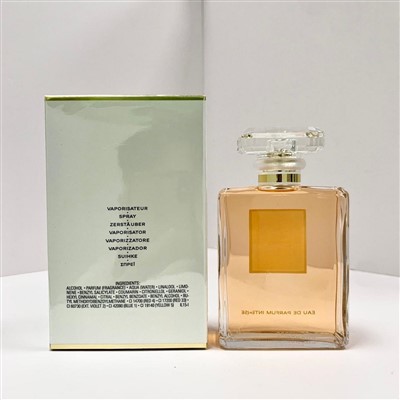
First off, let’s start with the basics you can smell right in the bottle. Citrus is a type of scent—like, the entire category. I’m talking about the bright, sharp, sun-kissed notes you get from things like lemon, bergamot, orange, grapefruit, maybe even yuzu or lime. These are all fruits from the Rutaceae family, right? The oils come from the peel (most of the time—sometimes the rind, sometimes the zest, a little from the leaves, but mostly the outer layer of the fruit), and they’re super volatile, meaning they evaporate fast. That’s why when you spritz a citrus perfume, it hits you immediately—zap! Like stepping out into a sunlit grove at 8 a.m. But it fades quick, too, which is why you’ll see people reapply every few hours. It’s bold, unapologetic, and kind of playful—think first day of summer vacation, or grabbing a slice of pizza when it’s still hot.
Now, cologne. Hold up—cologne isn’t a scent, it’s a concentration level of fragrance. Wait, wait, don’t zone out on me—let’s clarify that. Fragrance stuff has different “strengths” based on how much actual oil is mixed with alcohol and water. The order goes something like: Eau de Cologne is one of the weakest. Like, really weak. It’s got 2-4% fragrance oil, compared to something like Eau de Parfum which is 10-15%, or Parfum which is a luxury 20-30%. Back in the day, cologne was literally made with citrus notes—like 18th century Italy, when people started mixing bergamot, lemon, orange, and a little lavender to make that fresh, light scent they could wear all day without it being too much. But over time, “cologne” just became a general term for any light, fresh fragrance, even if it has nothing to do with citrus. You’ve got colognes that smell like wood, or mint, or even spices—no citrus in sight. That’s where the mix-up happens.
Let’s make this super relatable with examples, because examples are better than definitions. If you’re holding a bottle that says “Citrus Perfume” (shoutout to my line, obviously), that’s going to be focused on those zesty fruit notes. Our best-selling one is a bergamot + mandarin blend—bright, a little sweet, a little tart, and it has that instant “open a window” energy. It might be an Eau de Parfum (so it lasts a few hours) or an Eau de Toilette, but the star is definitely the citrus. Now, if you grab a bottle labeled “Cologne,” it could be anything. I once had a customer come to me because they bought a “cologne” that smelled like pine, and they were confused why it didn’t have the citrus kick they wanted. They’d thought cologne = citrus, and that’s just not the case.
Wait, let’s go a little deeper on the science, because as a supplier, I care about how these oils are processed—this is the fun stuff. Citrus oils are cold-pressed, right? You don’t distill them like other essential oils, because that would destroy the bright, delicate compounds. When you squeeze a lemon peel, you get that little burst of oil that’s full of limonene—this chemical that’s what makes citrus smell like citrus, and it’s actually used in cleaning products and food, too, because it’s that fresh. Now, Eau de Cologne back in the day was mostly citrus because that’s what was available, and it was easy to make, and people loved the fresh vibe. But now, colognes can have all kinds of notes—some are even meant for men (though let’s be real, fragrance has no gender) and some for everyone, but citrus is just one possible note you might find in a cologne.
Here’s another thing: Lasting power. Citrus scents, even in a cologne, fade fast because those limonene molecules are so light. If you want a citrus scent that sticks around, you have to layer it—maybe a little citrus perfume under a moisturizer that has a thicker oil, or a touch of a woody base note to anchor it. I’ve had so many customers tell me, “Your citrus perfume smells great at first, but it’s gone in an hour!” and I’m like, yeah, that’s just citrus! It’s supposed to be that bright, fleeting moment—like the smell of a fresh orange on a summer afternoon. If it lasted all day, it would be too heavy, and that’s not what citrus is about. Cologne, even if it has citrus, is usually weaker because of the lower oil concentration, so it fades even faster.
Wait, let’s address the common myths, because that’s where the confusion really lies. Myth #1: All citrus is cologne. No. A lot of citrus perfumes are Eau de Parfum, which is stronger than cologne. I have a line called “Sunny Zest” that’s 12% oil, so it lasts 4-6 hours, and it’s 100% citrus—no other notes, just bergamot, lime, and a touch of grapefruit. That’s a citrus perfume, not a cologne. Myth #2: All cologne is citrus. Nope. I once worked with a client who wanted a custom cologne for a gym brand, and they wanted something that smelled like eucalyptus and mint—no citrus at all. That’s a cologne, but it’s not citrus. Myth #3: Citrus is only for summer. Uh-uh. We sell a lot of citrus perfumes in winter, too—because when everything is gray and cold, a bright citrus scent is like a little ray of sunshine in a bottle. People love spritzing it when they’re stuck in an office all day, it makes them feel better.
As a citrus perfume supplier, I’ve had to explain this so many times, and I get it—fragrance labels can be confusing. They don’t always say “concentration” or “main note,” so you have to look closely. If you see a label that has “citrus” or lists citrus fruits as the top notes, that’s a citrus scent. If it says “cologne,” that’s about how strong it is, not what it smells like. So if you’re looking for that bright, zesty lemon or bergamot smell, don’t just grab any cologne—check the notes, because that cologne might smell like old pine instead.
Let me give you a quick trick for shopping: If the bottle’s main selling point is “fresh, citrusy,” that’s a citrus perfume. If it says “light cologne” or “Eau de Cologne,” that’s about strength. I always tell my customers, if you want that true citrus kick, come to me—we source our oils from Calabria (that’s Italy, where the best bergamot comes from) and Florida, so they’re super fresh, no synthetic stuff. We don’t do fake citrus—just real, cold-pressed oil, so the scent is as close to a fresh fruit as you can get without carrying around a whole lemon in your pocket.
Wait, let’s make sure we’re not missing anything here. What about other types of citrus? Like, is yuzu a citrus? Yes, of course, and we have a yuzu citrus perfume that’s a little more floral, a little less tart, super popular in Asia. What about colognes that have multiple citrus notes? Like, a citrus cologne—wait, that’s a thing! That’s when a cologne (low oil concentration) has citrus notes. So that’s where people get extra confused—because now you have a citrus cologne, which is a cologne with citrus in it, versus a citrus perfume, which is a scent category. Oh, that’s the big overlap! So to recap:
- Citrus = Scent category (notes from Rutaceae family fruits: lemon, bergamot, orange, grapefruit, lime, yuzu, etc.)
- Cologne = Fragrance concentration (weak oil mix: 2-4% oil, light, fades fast)
- A citrus cologne is both: a light fragrance (cologne) that uses citrus notes.
- A citrus perfume is neither: it’s a scent focused on citrus notes, and can be any concentration (Eau de Toilette, Eau de Parfum, etc.).
That’s the key. I can’t tell you how many times a buyer has emailed me, “Do you have a citrus cologne?” and I have to say, “Do you want a cologne with citrus, or a citrus scent that’s stronger than cologne?” Because sometimes they want the light, fades-fast one for a night out, and sometimes they want something that lasts all day for work.
As someone who’s been in this game for 7 years, I’ll say this: The best part of citrus perfumes is their versatility. You can wear them to a job interview (subtle, fresh, not overpowering), to a wedding (bright, happy, not too heavy), to a date night (flirty, not cloying). Colognes are good for people who don’t like wearing heavy fragrance, but they’re not for anyone who wants a scent that makes a statement. Citrus is all about that statement—bright, immediate, like a laugh.

Now, if you’re reading this and you’ve ever mixed up citrus and cologne, that’s totally normal. The fragrance industry loves using overlapping terms to mess with people, trust me. But at the end of the day, it comes down to two questions: 1) Do you want a scent that’s mostly citrus fruits? That’s citrus. 2) Do you want a light, low-strength fragrance that fades quick? That’s cologne. And if you want the real deal in citrus perfumes—no synthetic junk, real cold-pressed oils, all kinds of blends from bergamot to yuzu—hit me up. We work with small boutiques, big retail brands, even niche custom lines. Just reach out, tell me what you’re looking for, and we can sort it out. No confusion, no mixing up terms, just fresh, bright citrus that smells like you’re carrying a piece of the sun with you.
Oriental Perfume References:
- Calkin, R. R., & Jellinek, J. S. (1994). Perfume: Guide to Fragrance Ingredients. Allured Publishing Corporation.
- Pino, J. A. (2010). Chemical composition of citrus essential oils: A review. Journal of Essential Oil-Bearing Plants, 13(3), 257-270.
- Steinbrecher, M. (2015). Fragrance concentrations: An overview of the different types of perfume. Fragrance Journal International.
- McGovern, P. E., et al. (2004). Ancient Egyptian, Mesopotamian, and Persian perfumery. Accounts of Chemical Research, 37(8), 537-547.
Chengdu Yiwan Commerce Co., Ltd.
We’re well-known as one of the leading citrus perfume manufacturers and suppliers in China. With abundant experience, we warmly welcome you to wholesale high quality citrus perfume in stock here from our factory. If you have any enquiry about custom service and OEM&ODM service, please feel free to email us.
Address: Room 2011, 20th Floor, Unit 1, Building 1, No. 18 Dongsi South 1st Road, High-Tech Zone, Chengdu, China
E-mail: wan@yiwan-store.com
WebSite: https://www.yiwan-store.com/
