Hey there, let’s cut to the chase: if you’ve ever messed around with LED strip lights for your home, you’ve probably run into a tiny box that adjusts brightness or changes colors. But when it comes to industrial rigs, commercial billboards, grow lights, or those massive stadium LED screens? That’s a high power LED controller, and it’s way more than just a fancy dimmer. As someone who’s been supplying these for years, I’ve seen how people mix up regular small-power controllers with the real heavy hitters—and that confusion ends up costing projects time, money, or even burned out LEDs. So let’s break this down like we would over a coffee, no boring engineering jargon thrown at you. LED Controller
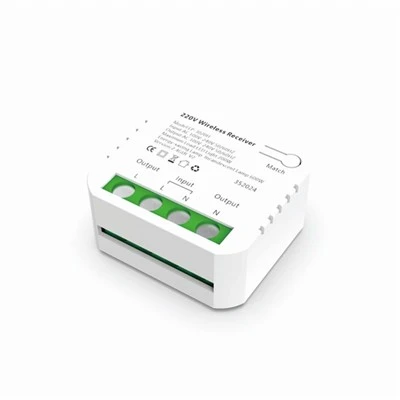
First, let’s get the basics straight. Regular LED controllers are for, like, the 5V USB strips you stick under your kitchen cabinets. They run on low voltage, handle a few amps total, and work fine for small, casual setups. High power? That’s a whole different league. These are built for LEDs that crank out way more light—think 12V, 24V, or even 48V systems, pushing 10A, 20A, sometimes way more per channel. Wait, what does that actually mean for you? It means if you’re powering a 100-foot LED sign, a vertical farm’s grow light array, or a parking lot’s LED floodlights, a high power controller is the only thing that won’t quit on you.
Now, why does power level even matter? Let’s talk physics for a sec, but keep it simple. LEDs are diodes, right? Diodes need a specific amount of current to turn on, and too much current burns them out fast. A high power controller acts like a traffic cop: it regulates the exact current, voltage, and timing each LED strip or module gets. If you tried to use a regular low-power controller for a 20A LED setup, it’d overheat in 10 minutes, melt the wires, or fry every LED in the system. We’ve had clients come to us after that exact mistake—lost $5k in grow lights because they grabbed a cheap Amazon controller, couldn’t adjust it, and it ran at full blast 24/7 for three days straight. Ouch.
What sets a high power LED controller apart from its little sibling? Let’s list the key stuff that makes them worth investing in. First, channel count and amp rating. A standard home controller might have 4 channels (for RGB strips) at 3A each. A high power one can have 8, 16, even 32 channels, with each channel handling up to 50A. That means you can control separate zones—like a billboard’s red section, blue section, white section, and accent lights—all from one box. No need to wire up a dozen separate controllers, which saves time and cuts down on messy setups.
Then there’s dimming precision. Cheap controllers use analog dimming, which is janky—you get that flicker when you dim lights, especially on high power. High power controllers use pulse width modulation (PWM) digital dimming, usually at a frequency of 1kHz or higher. What does that mean? No flicker, even when you dim a 1000W floodlight to 10% brightness. That’s super important for places like vertical farms, where flicker stresses out plants, or movie theaters’ LED signage, where you need smooth, no-jerk color shifts. We’ve had a cinema client switch over after their old controller made the movie previews flicker on screen—they thought the projector was broken until we explained it was the controller.
Another big one: compatibility with different systems. A lot of people think high power controllers only work with DC LEDs, but modern ones handle AC too, for things like streetlights or high bay warehouse lights. They also pair with all the common control protocols: DMX for stage lighting, DALI for commercial buildings, 0-10V, Bluetooth, Wi-Fi, and even custom app controls. If you’re a contractor building a smart office, you can sync your LED controller with the building’s automation system to turn lights on when people walk in, adjust brightness for natural light, and change colors for events. We recently supplied a controller for a co-working space that syncs with their Slack calendar to dim conference room lights when meetings end—clients love that stuff.
Wait, let’s talk use cases, because that’s where high power controllers actually earn their keep. Let’s go through the most common ones we see every day. First, commercial signage. Those big rotating billboards or storefront signs? They’re not just a string of LEDs—they need to fade between colors, stay bright enough to be seen at night, and last for years in rain or snow. A high power controller is weatherproof (IP65 rated, meaning it’s dust-tight and can handle jets of water) so you don’t have to bring it inside. We’ve got a client who installed our controllers on 20 billboards along a highway—they’ve been running for 4 years with zero issues, no maintenance needed, whereas their old controllers needed replacing every 12 months.
Then there’s horticulture LED lighting. Vertical farms, greenhouses, indoor cannabis grows—all of these use specific light spectrums for different plant stages. Seedlings need blue light, flowering needs red light, and some crops need a mix to get bigger yields. High power controllers let you program different light schedules: 18 hours of blue light for seedlings, then switch to 12 hours of red light for flowering. You can even adjust the brightness gradually, which mimics natural sunlight and helps plants grow stronger. A lot of new grow ops come to us asking for controllers that support spectrum tuning, and we make sure every unit we supply has that feature built in.
Outdoor lighting is another huge one. Streetlights, parking lot lights, landscape lighting for golf courses—these need to be durable, energy efficient, and adjustable. High power controllers can dim lights when there’s no one around (like a parking lot at 2AM) to cut down on electricity bills. We’ve had a municipality switch from standard streetlights to LED with our controllers, and they reported a 40% drop in their energy bill after the first year. That’s a huge win for city budgets.
Then there’s stage and event lighting. Concerts, festivals, wedding receptions—those massive LED walls, light strips, and moving head lights rely on high power controllers to sync all the lights perfectly. If one light is out of sync, the whole show looks off. Our controllers work with DMX and Art-Net protocols, so they can handle thousands of lights at once without lag. We supplied a controller for a music festival last summer that controlled 2,000 LED pixels across a stage backdrop—they said the light show was the best part of the event, and the controller didn’t skip a beat during the 3-day festival.
Now, let’s bust some myths, because I hear these all the time. First myth: “I can use a lower power controller if I wire LEDs in parallel.” Yeah, you can, but it’s a terrible idea. Wiring LEDs in parallel means each LED strip draws current from the same power source, and if one strip fails, it can throw off the current for all the others. A high power controller is built to handle uneven current draw across strips, so if one module goes out, the rest keep working. Second myth: “All high power controllers are the same.” Nope—some cheap ones cut corners on heat management, so they overheat in 6 months. Ours use aluminum heat sinks and built-in cooling fans (or passive cooling for outdoor units) to keep the temperature stable, which extends the controller’s lifespan to 5+ years. Third myth: “They’re too expensive for small projects.” Wait, if you’re doing a 10ft strip under your kitchen cabinets, a high power controller is overkill. But if you’re doing a project over 50ft, or more than one zone, the extra $50-$100 you spend on a high power controller will save you from replacing burned out LEDs or controllers down the line. We’ve had so many small contractors come back to us after wasting money on cheap controllers—they say it’s way better to get a solid unit upfront.
What should you look for when shopping for a high power LED controller? Let’s make a quick checklist, no fancy terms. First, check the amp rating per channel: make sure it’s at least 20% higher than your total LED load. If your setup draws 10A, get a controller that does 12A per channel—gives you a buffer for extra LEDs or unexpected current spikes. Second, look for PWM dimming: avoid anything that says “analog dimming” or “triac dimming” if you want no flicker. Third, check environmental rating: if it’s going outside, make sure it’s IP65 or higher. If it’s going in a dusty warehouse, IP54 works. Fourth, compatibility: make sure it works with your power supply (DC or AC) and the control system you’re using (like Wi-Fi for home automation, DMX for stage). And fifth, support: if you run into issues, you want someone who’ll answer the phone, not just a 1-800 number that puts you on hold for an hour. That’s where we stand—our team is here to help you pick the right controller for your project, not just sell you the most expensive one.
Wait, let’s talk about a common mistake we see: mismatched power supplies and controllers. A lot of people buy a $100 LED strip, then a cheap $20 power supply, then a random controller, and wonder why nothing works. The key is that your controller’s max current can’t exceed your power supply’s max current. If your power supply is 15A, don’t get a controller that does 20A—you’ll overload the power supply. We always help clients match these two when they’re ordering, because that’s the #1 cause of controller failures. We’ve even had clients come back with controllers that worked fine for a week, then died, and it was because their power supply was too small.
Now, let’s wrap this up. A high power LED controller isn’t just a bigger version of the little box you use for your home strips. It’s a critical part of any large-scale LED setup, responsible for energy efficiency, durability, and performance. Whether you’re building a commercial sign, a vertical farm, a stage light show, or outdoor streetlights, picking the right one saves you money, time, and headaches down the line. If you’re planning a project and not sure which controller fits your needs, our team can help you figure it out—no sales pitch, just straight advice. We’ve worked with everyone from small local contractors to big national brands, so we know what works for different setups.

Got questions, need a quote, or want to pick the right controller for your project? Reach out to our team to connect for sourcing and collaboration. We’re here to make your LED project run smoothly, no hassle.
Wireless Sensor Switch References
- Lighting Design Lab. (2022). LED Control Systems: A Guide for Commercial and Industrial Applications. University of Washington.
- Horticulture Research International. (2021). LED Spectrum Control for Vertical Farming: Performance and Efficiency. University of Warwick.
- International Energy Agency. (2023). Energy Savings from LED Lighting Controls in Municipal and Commercial Buildings. IEA Lighting Programme.
- DMX512-A Standard. (2020). Entertainment Technology – Control Protocol for Lighting. USITT.
- LED Professional Association. (2022. High Power LED Controller Durability Testing and Performance Metrics. LED Pro Association.
Dongguan Lanbaoli Intelligent Technology Co., Ltd.
As one of the most professional led controller manufacturers and suppliers in China, our products have good reputation in the market. We warmly welcome you to buy durable led controller for sale here and get pricelist from our factory. Quality products and low price are available.
Address: 10th Floor, Building 32, Golden Town, No.7 Technology Avenue, Houjie Town, Dongguan City, Guangdong Province
E-mail: anna@lampow.cn
WebSite: https://www.lblsensors.com/
