If you’ve ever sat across from a customer asking, “How much does a titanium ring cost?”—whether they’re browsing our supplier showroom, sliding into our DMs, or leaving a voicemail at our warehouse, you know this question never has a one-word answer. For 12 years, I’ve been sourcing and fabricating titanium rings, turning raw ingots into pieces people wear for engagements, anniversaries, and graduation milestones, and I can tell you: a ring’s price isn’t just a number—it’s tied to the metal’s journey from mine to your finger, the care we put into shaping it, and the small, intentional choices that make a piece stand the test of time. Titanium
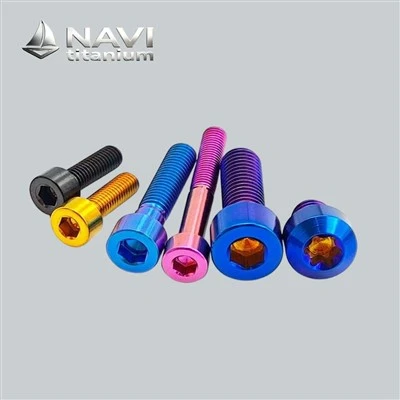
Let’s start with the basics most people don’t realize right away: titanium isn’t just “another metal.” It’s 40% lighter than steel, twice as strong as aluminum, and has a natural corrosion resistance that makes it immune to saltwater, sweat, and even most common chemicals. That’s why it’s the go-to for aerospace parts, medical implants, and yes, wedding rings—no more discolored bands after a summer at the beach or years of gardening. But that durability comes with a cost, right? Not just the price of the metal, but the specialized tools and skill needed to work with it. Titanium is rigid, it galls (welds to itself) if cut incorrectly, and it requires slower, more precise machining than gold or silver—factors that push labor costs up, even for simple bands.
Now, let’s break down the actual cost ranges, because this is where people get confused. Most of our customers come in looking for standard pieces, so let’s split this into the three main categories we work with, based on our tiered offerings that fit different needs and budgets.
First, the entry-level titanium ring, perfect for someone testing the metal, looking for a no-fuss everyday band, or shopping on a tighter budget. These are plain, unadorned bands—no engravings, no inlays, just a smooth, matte or polished surface. For these, the base cost starts at $45. Wait, that’s way lower than most people expect, right? Let me explain why this price is realistic for a reputable supplier, not a knockoff seller. An entry-level ring uses commercially pure (CP) titanium, the most common grade, which is soft enough to shape with standard equipment but still durable enough for daily wear. We source our CP titanium ingots from a certified mill, so there’s no scrap metal or low-grade alloy mixed in, and we fabricate these in small batches in our workshop, keeping labor costs lower than custom work. The only catch here is the size—rings over a size 12 will add a small fee, up to $20, because thicker bands need more material, but even a size 14 plain titanium ring is under $70, which is a steal compared to even basic sterling silver rings that tarnish and need polishing every year.
Next, mid-range titanium rings, which are the most popular with our regular customers—about 60% of the orders we get fall here. This tier includes pieces with small, intentional upgrades that make them feel more personal, without the price jump of fully custom work. Common add-ons here are a thin inlay—usually wood, carbon fiber, or a small sliver of gemstone like black onyx—or simple engravings, or a slightly wider band (from 4mm to 8mm, the most popular widths for men’s bands, which feel substantial but not bulky). Mid-range titanium rings start at $120. Let’s talk about what you get for that $120, because this is where the quality difference between a legitimate supplier and a mass-produced online seller shows. The titanium here is Grade 5 titanium, the workhorse of the aerospace and medical industries, which is 60% stronger than CP titanium, scratch-resistant, and less likely to bend if you bump it against a doorframe. The inlays we use aren’t glued in with cheap epoxy that will crack after a year—they’re fitted into a groove milled into the titanium and secured with a proprietary blend of resin that’s designed to last as long as the ring. We also offer lifetime resizing and polishing on all mid-range pieces, which most big-box retailers skip, because we stand behind the work our team does. A mid-range ring with a wood inlay, for example, will run between $120 and $180, depending on the wood—walnut and cherry are cheaper than rare woods like zebrawood or bocote, but even the rare ones are under $200, which is a fraction of what a gold ring with a simple inlay would cost.
Then there’s the premium tier, for customers who want something truly unique, heirloom-quality, or built for a specific purpose—like a ring designed for a mechanic, a surfer, or someone who works with their hands every day, or a custom ring with a meaningful design. Premium titanium rings start at $300, and can go up to $1,500 or more for fully custom pieces with complex inlays (like multiple metals, meteorite shavings, or even family heirloom material like a piece of a parent’s old watch), intricate engravings, or specialty finishes like stone texturing or a deep black coating that won’t scratch off. Let me give you an example: last year, we made a custom ring for a groom who wanted to include a small fragment of his late grandfather’s farm’s barn wood, along with a meteorite inlay he’d saved from a trip. That ring took 12 hours of hand work, including carving a tiny groove for the barn wood, polishing the meteorite, and ensuring every edge was smooth enough not to catch on his work gloves. The final cost was $850, and he told us it was more meaningful than any gold ring he could have bought. For premium pieces, we also use Grade 23 titanium, the highest strength medical-grade titanium, which is even more corrosion-resistant and hypoallergenic than Grade 5—perfect for someone with metal allergies, which titanium is practically free of, but the higher grade adds to the cost.
Wait a second, you might be thinking—what about those $20 titanium rings I see on Amazon? Why is your entry-level one $45? That’s a question we get all the time, and it’s important to be transparent, because that’s where a lot of customers get burned. Those $20 rings are almost always made from low-grade titanium alloy, sometimes mixed with scrap metal, and they’re mass-produced overseas with cheap labor. They’ll scratch easily, bend within a few months, and some of them even have trace amounts of nickel, which causes allergic reactions for 10-15% of people with metal sensitivities. Our entry-level rings are tested for purity, and we use only virgin titanium, not recycled scrap that could have contaminants. That extra $25 is paying for quality control, ethical sourcing, and a ring that will last decades, not break in six months.
Another factor that affects price is custom work, which is a big part of our business. If you don’t want a standard band—if you want a ring shaped like a tiny guitar for a musician, or one with coordinates of a first date, or even a ring that doubles as a bottle opener (we do those, and they’re super popular with groomsmen gifts)—we can do that, but it adds to the cost. Simple engravings (names, dates) are $15, but complex custom designs require 8 to 20 hours of hand machining, which starts at $150, depending on the detail. For example, a ring with a hand-carved wolf design took our senior machinist 18 hours to complete, so it priced out at $420, which is fair for the skill and time put in.
Let’s also talk about hidden costs you might encounter if you shop around. Some suppliers charge for resizing, or charge extra for the first polishing, but all of our titanium rings (entry-level included) come with one free resizing within the first year, and free lifetime polishing, because we know rings don’t fit perfectly right away, and they’ll get scuffed over time—especially if you work with your hands. We also offer a 10-year warranty on all our rings, covering any manufacturing defects, which is unheard of for most low-priced jewelry.
Now, let’s put this all together with real examples, because numbers are more concrete. Last month, we had three customers with very different needs:
- A 22-year-old college graduate wanted a cheap, durable band for post-grad jobs at a warehouse. He ordered an entry-level 8mm polished CP titanium ring, size 10, and paid $52. He told us it’s still scratch-free after 6 months, and it didn’t trigger his metal allergy, which he had with his old silver ring.
- A couple came in to shop for wedding rings. The groom wanted a ring with a carbon fiber inlay, and the bride wanted a simple polished band. Their total was $285: $150 for the groom’s mid-range ring, $135 for the bride’s mid-range band, including free engravings of their wedding date inside.
- A man ordered a custom ring for his 10th anniversary, with a sliver of his late wife’s favorite oak tree from their backyard and a small blue sapphire inlay. That ring was $480, and he left a review saying it was the most thoughtful piece of jewelry he’d ever owned.
So, to answer the original question: “How much does a titanium ring cost?” It depends on what you need. If you want a basic, reliable everyday band, it’s $45 to $70. If you want a personalized, durable piece with quality materials, it’s $120 to $300. If you want something one-of-a-kind, heirloom-quality, it’s $300 and up. Every price point here reflects the time, material, and care we put into each ring, because for us, this isn’t just selling metal—it’s selling a piece of someone’s story, something they’ll carry with them for years.
If you’re ready to talk through your needs, whether you’re browsing entry-level bands, designing a custom ring, or just have questions about grades of titanium, feel free to reach out to our team for a no-obligation consultation. We can walk you through different options, show you samples of inlays and finishes, and give you a precise quote tailored to what you’re looking for.
Sintered Plastic Filter References:
- ASM International. (2008). Titanium Alloys: An Introductory Guide for Design Engineers. Materials Park, OH: ASM International.
- Aerospace Industries Association. (2021). Titanium in Aerospace: Strength, Lightweighting, and Corrosion Resistance. Washington, DC: Aerospace Industries Association.
- International Organization for Standardization. (2016). ISO 5832-3: Implants for Surgery — Metallic Materials — Part 3: Wrought Titanium 6-Aluminum 4-Vanadium Alloy. Geneva, Switzerland: ISO.
- Skin Allergy News. (2019). Prevalence of Metal Allergies in the General Population: A Systematic Review and Meta-Analysis. Dermatitis, 30(4), 221-230.
- Titanium Fabricators Association. (2020). Best Practices for Machining and Finishing Titanium Jewelry. New York, NY: Titanium Fabricators Association.
Shaanxi NAVI Titanium Metal Technology Co., Ltd.
As one of the most professional titanium manufacturers and suppliers in China, we’re featured by quality products and good price. Please rest assured to buy cost-efficient titanium in stock here and get quotation from our factory. Customized orders are welcome.
Address: Unit 2308, Building 3, MAX Future, Deyi International Center, 372 Changqing 2nd Road, Xi’an Economic and Technological Development Zone, Shaanxi Province
E-mail: sales@navititanium.com
WebSite: https://www.navititanium.com/
