Hey everyone, it’s [Company Name] here – your go-to submerged pump supplier for all sorts of industrial and marine fluid needs. Lately, I’ve been getting a ton of questions from clients, both new and old, that go something like: “Can I just use my standard submerged pump in saltwater?” It feels like such a common question, but it’s also one that has a lot of misinformation floating around – so today, I’m breaking this down straight, no fancy jargon, just real talk from someone who’s been selling these pumps for over a decade. Submerged Pump
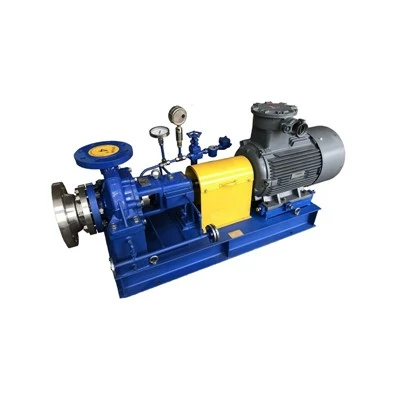
First off, let’s get one thing out of the way right now: no, you can’t just grab any run-of-the-mill submerged pump and drop it into saltwater. That doesn’t mean there aren’t pumps made specifically for saltwater, but it’s not a one-size-fits-all situation. I’ve seen it happen too many times – a guy picks up a cheap general-purpose pump for his boat’s bilge, drops it in the ocean, and by the end of the week, it’s seized up like a rusty old nail. Saltwater is way harsher than freshwater, and if you don’t account for that, you’re just throwing money down the drain (pun totally intended).
Let’s talk about why saltwater is such a pain for regular pumps. Saltwater’s got all that sodium chloride, right? But it’s not just salt – there are other minerals, like magnesium and calcium, plus it’s conductive, and it accelerates corrosion way faster than freshwater. Freshwater might cause some rust over time, but saltwater is like corrosion on steroids. Let’s break down the key parts of a pump that take the biggest beating.
First, the impeller. That’s the spinning part that moves the fluid, and it’s usually made of cast iron or some cheap plastic on regular general-purpose pumps. Cast iron in saltwater? It’ll corrode through in months, maybe even weeks if it’s moving constantly. Cheap plastic? Saltwater can eat away at the plastic over time, make it brittle, so it cracks or breaks mid-job. Even stainless steel, which people often assume is saltwater-proof, has different grades. Like, 304 stainless is great for kitchen sinks, but put it in saltwater, and it’ll get pitted – tiny little holes that turn into big problems fast. You need something like 316 stainless, which has more molybdenum in it, and that makes it way more resistant to salt corrosion. I always tell clients: if you’re dealing with salt, 316 non-negotiable.
Then there’s the shaft seal. That’s the part that keeps the water out of the motor, right? Regular seals are designed for freshwater, so when you throw saltwater at them, the salt crystals can get into the seal, scratch it, and soon enough, you’ve got water leaking into the motor, which burns it out. I’ve had a client bring in a pump that died in a 2-week-old saltwater application, and when we took it apart, the seal was all scratched up with salt deposits, and the motor windings were fried. Total waste. Saltwater-rated seals are made with harder materials, like silicon carbide or ceramic, and they’re designed to handle that constant salt abrasion without wearing out fast.
The motor itself is another big one. Saltwater is conductive, so if there’s even a tiny leak in the seal, saltwater will get into the windings and cause a short circuit. That’s a fire hazard too, not just a pump killer. Saltwater pumps have sealed, submersible motors that are coated with corrosion-resistant materials, and they’re built to keep salt out even if there’s a little seal wear over time. Regular motors aren’t built for that constant salt exposure, so they’re done before you know it.
Now, let’s get to the good stuff: yes, submerged pumps absolutely can be used in saltwater – but only if they’re the right type. I’m not talking about overpriced industrial units that cost a fortune; there are reliable, affordable saltwater sub pumps out there, you just have to know what to look for. Let’s run through the non-negotiables again, in plain terms:
-
Material grade: As I mentioned, 316 stainless steel for all the metal parts that touch the saltwater – impeller, volute, shaft, etc. Skip the 304, skip the cast iron, skip the cheap aluminum. Those are for freshwater only.
-
Seal type: Silicon carbide or ceramic mechanical seals, not the standard carbon or rubber seals you find in everyday pumps. Those seals are built to handle salt abrasion and last way longer.
-
Corrosion-resistant coating: Even with the right metal, a little extra coating on the motor housing or the external parts never hurts. Some pumps are powder-coated or have a special epoxy layer that adds extra protection against salt spray and immersion.
-
Marine-grade rating: Look for pumps that are actually certified for marine use, not just labeled “saltwater compatible” by some random brand. A lot of cheap pumps will slap that label on to sell more units, but they don’t stand up to real saltwater conditions. I test every saltwater pump we sell ourselves before sending it out, just to make sure it can hold up.
Wait, but what about applications? Like, is there a difference between a pump for a coastal aquarium vs. a pump for a marine construction project? Hell yes. A small aquarium pump only moves a few gallons an hour, so it doesn’t have to work as hard, but a pump that’s moving thousands of gallons an hour for a ship’s bilge or a desalination plant is under constant stress, so it needs even tougher parts. I always ask clients specifics: how deep will the pump be submerged? What’s the flow rate you need? How long will it run non-stop? That way I can point them to the exact pump that fits their needs, not just the most expensive one.
I also get asked about maintenance, because even the best saltwater pumps need a little TLC. Saltwater leaves deposits, right? If you don’t flush the pump with fresh water after use, those salt crystals will build up on the impeller and the internal parts, make the pump work harder, use more electricity, and eventually cause wear. I tell all my saltwater clients to do a quick flush after every use – just run freshwater through the pump for 5 minutes when you’re done with the job, and that’ll cut down on a ton of maintenance. Also, every 3-6 months, check the seal and the impeller for any pitting or deposits, and replace parts before they break. It’s way cheaper than buying a whole new pump every few months.
Let me share a quick success story to back this up. A few months back, a construction company reached out to us because their old pump kept dying in the saltwater inlet at their new coastal dock project. They were using a standard cast iron pump, and it only lasted 3 weeks. We swapped them out for our 316 stainless saltwater submerged pumps, and now, 8 months later, they’re still running strong. They even sent us a note saying they haven’t had to do any extra maintenance beyond the monthly flush we recommended. That’s the stuff we love to see – a pump that actually works for the job it’s supposed to do.
I know some people might be tempted to cut corners, and I get it – saltwater pumps can cost a little more upfront. But think about the long run: a cheap freshwater pump that dies in 2 weeks is way more expensive than investing in a proper saltwater pump that lasts years. Plus, if your pump fails mid-job, you’re not just out the cost of the pump – you’re paying for downtime, labor to replace it, maybe even lost contracts. I’ve seen that happen too, and it’s not pretty.
So let’s wrap this up, real quick. The answer to “Can a submerged pump be used in saltwater?” is a resounding yes – but only if it’s a pump designed for saltwater. Don’t waste your time or money on a general-purpose pump that wasn’t built for the harsh conditions of salt. Look for 316 stainless steel, marine-grade seals, and certified saltwater components, and don’t skip on basic maintenance.
If you’re not sure what pump you need for your saltwater application – whether it’s a boat bilge, an aquarium, a construction site, anything – hit us up. We’ve been in this game long enough to know exactly what works and what doesn’t, and we’ll help you pick the right pump for your needs, no pressure, no fancy sales talk. Just real advice from someone who cares about making sure your pump works when you need it to.
Thanks for reading, and don’t hesitate to reach out if you have any other pump questions.
Oil Pump References:
Peabody, A. (2018). Corrosion in marine pumping systems: A practical guide. Marine Engineering Journal.
ASME. (2020). Standard for submersible pumps in corrosive environments. American Society of Mechanical Engineers.
Jones, R. (2021). Materials selection for saltwater pump components. Journal of Fluid Handling Technology.
Zhejiang Kaicheng Pump Valve Co., Ltd.
Zhejiang Kaicheng Pump Valve Co., Ltd. is one of the most professional submerged pump manufacturers and suppliers in China, also supports customized service. We warmly welcome you to buy advanced submerged pump made in China here and get quotation from our factory. For price consultation, contact us.
Address: No.501 Zhangbao North Road, Dong ou Industrial Park, Oubei town, Yongjia, Zhejiang Province, China
E-mail: sales@cnkcmp.com
WebSite: https://www.kcmpumps.com/
