As a stainless steel handmade sink supplier, I get this question at least three times a week from architects, general contractors, and homeowners doing kitchen remodels: “Are stainless steel handmade sinks easy to find in the market?” It’s a fair one—handmade vs. mass-produced sinks aren’t the same product, so availability can feel like a crapshoot if you don’t know where to look. I’ve spent 12 years sourcing, manufacturing, and shipping these sinks out of my workshop, and I’ve seen the market shift drastically in that time—so I can speak to both how easy they are to find right now, and why that ease depends on what you’re actually searching for. Stainless Steel Handmade Sink
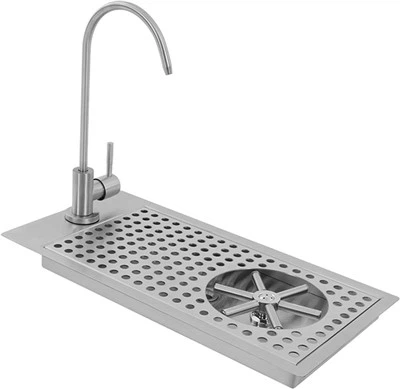
First, let’s break down what a stainless steel handmade sink is, because that’s where most people get confused. Mass-produced sinks are stamped from flat steel sheets through hydraulic presses in huge factories—one machine can make hundreds a minute, and they’re standardized to fit any 30-inch cabinet. Handmade sinks, on the other hand, are folded, welded, and finished by skilled workers. No two are exactly identical; the edges might have a tiny, subtle curve that a press can’t replicate, and the welds are smoothed by hand instead of a machine. For a long time, people thought these were only custom, one-off pieces for high-end homes or commercial kitchens like restaurants, but that’s not true anymore.
If you’re browsing big-box home improvement stores, you might think they’re hard to find. I’ve checked the major ones: Home Depot, Lowe’s, even specialized kitchen supply chains. Their stainless steel sink sections are almost entirely mass-produced. A quick scan last month turned up 120 different stainless steel sinks, and only two were labeled “handmade”—and those were limited to shallow 20-inch bar sinks, not the 30- or 33-inch kitchen sinks most people want. Why? Big-box retailers prioritize inventory that moves fast. Mass-produced sinks are cheap to make, stack easily, and have universal dimensions, so they don’t have to stock 20 different sizes for every style. Handmade sinks take up more space in storage, can’t be stacked, and have longer lead times, so they don’t fit a retailer’s demand for quick turnover. That’s the first hurdle: if you only look at big-box stores, they’re not easy to find at all.
But here’s the good news: if you look beyond the big boxes, they’re actually more accessible than ever. Over the last five years, a lot of small, specialized manufacturers and online retailers have popped up to fill the gap. I started in a garage making sinks for local restaurants, but now we sell to customers across North America, and we’re not alone. A quick search on Google or Instagram for “handmade stainless steel kitchen sinks” brings up dozens of suppliers, many of whom ship directly to your door. The difference is that these suppliers focus on quality over mass production. They don’t sell at big-box prices, but they also don’t cut corners on material or craftsmanship. For example, we use 16-gauge stainless steel instead of the thinner 20-gauge found in mass-produced sinks, and every sink goes through a 10-step finishing process to eliminate any sharp edges or uneven surfaces. That’s the kind of detail big-box stores skip, which is why handmade sinks aren’t on their shelves.
Another place you’ll find them is through trade networks. I supply sinks to a lot of independent cabinet makers and kitchen designers who work with high-end residential and commercial projects. Those designers will often have a list of trusted suppliers, and they’ll offer handmade sinks as an upgrade for clients who want something that’s built to last. I’ve had clients come to me after looking for a sink at a big box and leaving frustrated because they wanted something that didn’t feel generic. A lot of them don’t realize that their own kitchen designer can source a handmade sink for them, even if the designer doesn’t make it themselves. That’s a hidden avenue a lot of people miss—big-box stores might not carry them, but the people who work closely with kitchens almost always have access.
Now, let’s talk about the caveats. Just because a supplier says they sell stainless steel handmade sinks doesn’t mean all of them are actually handmade. I’ve seen mass-produced sinks labeled as “hand-finished” or “handcrafted” online, and that’s a big trick. A mass-produced sink gets a quick sanding by a machine, then a worker gives it a wipe with a cloth—that’s not handmade. Real handmade sinks require at least 8 to 10 hours of work per sink, including cutting the steel, folding the edges, welding the bowl and rim, sealing the drain holes, and polishing the surface. If a sink is listed for $200 less than the average handmade stainless steel sink, it’s almost certainly a mass-produced one with a little extra sanding. That’s something to watch out for when you’re searching—easy to find, but you have to make sure it’s actually what you’re paying for.
I also get asked a lot if they’re easy to find in standard sizes. A lot of people don’t want a custom sink because they think it won’t fit their existing cabinet. The good news is that most handmade suppliers make standard sizes: 24-inch bar sinks, 30-inch and 33-inch kitchen sinks, even the 21-inch sinks that fit most laundry room cabinets. We make those standard sizes in our workshop every week, so they don’t have to be custom. The only time you might run into trouble is if you need an unusual size, like a 40-inch double-bowl sink for a commercial kitchen—then you might have to order it custom, which adds a couple weeks to the lead time. But for residential standard sizes, they’re just as available as mass-produced ones, you just have to find the right supplier.
Another point: durability. A lot of people assume that because handmade sinks are stainless steel, they’re all the same. That’s not true either. The quality of the steel and the craftsmanship matters. We use 304-grade stainless steel, which is the food-safe, rust-resistant grade used in commercial kitchens. Some cheaper suppliers use 201-grade, which is cheaper but can stain or corrode over time, especially if you use harsh cleaning products. Handmade sinks also have thicker rims than mass-produced ones, so they don’t warp when you set a heavy pot on them. If you’re buying from a reputable handmade supplier, the sink will last 15 to 20 years, compared to 5 to 10 for a mass-produced one. That’s a big difference, but it’s something to remember when you’re looking for them—cheaper isn’t better when it comes to sinks.
I’ve seen the market change a lot over the years. When I started, most handmade sinks were only for commercial projects, and you had to go through a specialty trade supplier to get them. Now, with online platforms like Etsy, Shopify, and even Amazon Handmade, small suppliers can reach individual homeowners directly. That means you don’t have to know a contractor or designer to find a good handmade sink. A quick filter on Etsy for “stainless steel handmade kitchen sinks” will pull up dozens of options, with photos, reviews, and detailed descriptions of the craftsmanship. That’s made them way more accessible to regular people who aren’t working on a full commercial build.
But there’s still a gap. If you’re on a very tight budget, you might struggle. Mass-produced sinks cost between $100 and $300, while handmade ones start at around $400 and go up from there. That’s because the labor is more expensive, and the materials are higher quality. So if you’re only looking to spend $150 on a sink, you’re not going to find a handmade one anywhere—big box or online. That’s the main reason people think they’re hard to find: they’re not in the budget of every shopper, so they’re not marketed to everyone.
So to answer the original question: Are stainless steel handmade sinks easy to find in the market? It depends on where you look and what you’re willing to spend. If you’re only checking big-box home improvement stores, no, they’re not easy to find—most only carry 1 or 2 small options, and they’re not the high-quality ones. If you look at online specialized suppliers, independent kitchen designers, or trade networks, they’re more accessible than ever, and you can get a standard-sized, high-quality sink without waiting months for a custom order. The key is to avoid the cheap, “hand-finished” fakes, and stick to suppliers who can show you photos of their workshop, explain their craftsmanship process, and offer references from past customers.
If you’re in the market for a genuine stainless steel handmade sink, I’d encourage you to reach out directly to suppliers instead of just browsing product pages. Ask them what grade of steel they use, how long each sink takes to make, and if they have photos of the manufacturing process. At the end of the day, a sink is one of the most used parts of your kitchen—you don’t want to cut corners on something you’ll have to deal with every day.

To connect and discuss your needs for a stainless steel handmade sink, feel free to reach out directly for a detailed consultation.
Stainless Steel Sink References
- National Kitchen & Bath Association. (2023). Sink Material Trends and Craftsmanship Standards.
- Stainless Steel Industry Association. (2022). Grade Differences in Residential and Commercial Sinks.
- Home Improvement Retail Trade Report. (2023). Specialty vs. Mass-Produced Kitchen Inventory Data.
- Craftsman Sink Association. (2021). Handmade vs. Mass-Produced Sink Labor and Quality Benchmarks.
Dingyi Shichuang Co., Ltd.
As one of the most professional stainless steel handmade sink manufacturers and suppliers in China, we offer a wide range of products with superior quality. Please rest assured to wholesale customized stainless steel handmade sink made in China here from our factory. Contact us for free sample.
Address: Rm908, Building 4, United Fortune Plaza, Jinan Area,China (ShanDong) Pilot Free Trade Zone
E-mail: info@dingyishichuang.com
WebSite: https://www.dysckitchensink.com/
