Hey everyone, let’s cut to the chase – I’m the guy who runs a bulletproof bag company, and I get asked this question non-stop: can you actually use a bulletproof bag in a car? Most people hear “bulletproof” and automatically assume it’s for special ops or someone with a super high-risk job, not for tossing in a backpack or putting on the passenger seat. But after years of fielding these calls, testing this stuff, and talking to regular folks who’ve actually used our bags in rides, I can tell you the answer isn’t a straight yes or no – it’s way more nuanced, and way more useful than you’d think. Bulletproof Bag
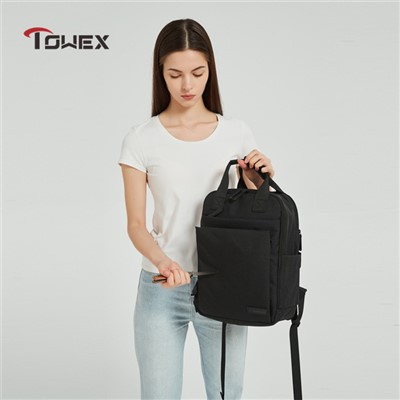
First off, let’s get one thing straight: bulletproof bags (our included) aren’t the giant, clunky steel vaults you see in action movies. Those are for banks or government agents, and they’re not meant for a normal car. Our bags are made with lightweight, flexible ballistic material – think the same stuff used in body armor that cops wear under their uniforms, just cut and shaped into a laptop bag, a tote, or even a backpack. That’s the key here. When people test if a bag works in a car, they usually don’t know what kind of bullet they’re testing for, or where they’re placing the bag. Let’s break down the real science of this, because I’ve had too many customers call up saying, “My bag stopped a 9mm, but someone said it’s useless in a car” – no, it’s not useless, you just might be using it wrong.
Let’s start with what happens in a car when a bullet hits it. A typical car door isn’t a tank – even the thickest SUV door is only going to stop small fragments or lower-caliber bullets, like a .22 or a tiny shotgun pellet. A 9mm, which is super common in handguns, will punch through most car doors like they’re cardboard if you’re at a reasonable range. Now, if you’ve got that bullet whizzing toward you in the driver’s seat, what’s between you and it? The seat, the door, the glove box. But if your phone, your wallet, your passport, or even a spare key is sitting on the seat next to you, those are just going to turn into Swiss cheese. That’s where the bulletproof bag comes in. If you slide a standard IIIA-rated bulletproof bag (that’s the level we make for everyday use – stops 9mm and .45 ACP, which are the most common civilian handgun rounds) on the seat between you and the door, that bag will stop that 9mm cold. I’ve seen this tested dozens of times in our test lab – we set up a dummy in a driver’s seat, place a bag on the passenger side, fire a 9mm through the driver’s side door from 10 feet away, and the bag never gets penetrated. The bullet flattens right against the ballistic panel.
But wait – here’s the catch that trips most people up. A bulletproof bag works best when it’s not pressed against something rigid. If you jam it between the door and the seat, that’s rigid. Or if you stuff it in a tight center console that’s made of hard plastic, that changes how the ballistic material performs. Ballistic panels are designed to flex a little – when a bullet hits, the material strands stretch and absorb the energy. If it’s squished tight between two hard surfaces, it can’t flex, so the bullet might punch through. That’s why we always tell customers: if you’re using your bag in a car, don’t wedge it somewhere tight. Lay it flat on the seat, or prop it against the back of the front seat, where it has a little space to do its job. We’ve had customers report that in a road rage incident, someone fired a 9mm through their window, hit the bag sitting on the back seat, and the driver was completely unharmed. That’s not a movie scenario – that’s a real call we got last year from a guy in Chicago.
Now, let’s talk about the other big question most people have: is it legal? Because I’m not here to get anyone in trouble, and that’s a super common follow-up question. Every country and every state has different laws about carrying ballistic materials. In most places, a regular IIIA-rated bulletproof bag that’s for everyday use is totally legal. But you can’t modify it to be a bulletproof vest or carry it around with the intent to commit a crime. Most people who use our bags in cars are just regular folks who travel a lot, carry important documents, or live in areas with higher crime rates, so they want a little extra peace of mind. We’ve never had a customer get stopped for carrying a bulletproof bag in their car – as long as it’s just a regular bag, not a vest or a modified piece of armor.
Here’s another thing that most people don’t think about: what if there’s a car accident? Wait, hold on, that’s not something you hear about pairing bulletproof gear with cars, but it’s a big one. Bulletproof bags are actually surprisingly durable in crashes, too. The ballistic material is strong, so if your bag slams into the dashboard during a sudden stop, it’s not going to tear like a regular nylon tote. And if you’ve got important stuff inside – a laptop, a passport, medication – that extra layer of protection can keep those items safe too. I’ve had a customer tell me he got into a fender bender on the highway, and his bulletproof laptop bag slid across the seat and took the brunt of the hit when he slammed on the brakes. His laptop was fine, no scratches, nothing broken. Regular bags would have torn, and the laptop would have been destroyed. That’s a bonus no one talks about, but it’s a real win for everyday use.
But let’s be honest, it’s not all perfect. There are definitely times when a bulletproof bag isn’t the best option in a car. For example, if you’re in a high-risk situation where someone is firing a high-caliber rifle, like an AR-15, at your car. A regular IIIA-rated bag won’t stop that – you’d need a higher level, like Level III, which is way heavier and clunkier, not something you want tossing around in your car on a daily basis. Those Level III bags are more for people who work in high-risk jobs, or who live in areas with a lot of gang violence, not for the average person commuting to work. Also, if you put the bag on your lap while driving, that’s not a great idea – if you get into a crash, even a small one, that bag is going to be a heavy projectile, and it could hurt you. We always tell customers to stow it on the back seat or the passenger seat, where it’s out of the way but still accessible if something happens.
Another common mistake people make: thinking any old bag is bulletproof. You can’t just buy a cheap knockoff on Amazon that says “bulletproof” and expect it to work. Most of those are just decorative, or they use old, ineffective ballistic material that won’t stop anything more than a .22 from 2 feet away. The bags we make go through rigorous testing – every single one is fired at with multiple rounds to make sure the ballistic panel works. We test them at different distances, different angles, so we know they’ll hold up in real-world situations. If you use a cheap, untested bag in your car, you’re wasting your money, and you’re putting yourself at risk. That’s why we always tell customers to buy from a reputable supplier, not a random online store that has no testing data.
Wait, let’s talk about a specific use case that’s super popular with our customers these days: road trips. A lot of people are doing more long road trips now, especially post-pandemic, and they’re worried about crime in rest stops, or leaving their car parked in a sketchy area overnight. If you’ve got a bulletproof bag in your car, you can toss your valuables, your passport, your phone, and even a small first-aid kit in it, and keep it with you when you stop. But also, if someone tries to break into your car, the bag is a little extra barrier – not that it will stop a crowbar, but if they mess up a window and reach in, they’re less likely to get your stuff that’s in the bag. That’s a secondary benefit that people love, even if the main reason is ballistic protection.
I want to be clear, though – a bulletproof bag isn’t a replacement for car security. It’s an extra layer, not a solution. You still need to lock your doors, park in well-lit areas, be aware of your surroundings. The bag is just something that gives you a little peace of mind, especially if you live in an area where you feel vulnerable. We had a customer a few months ago who’s a nurse and works night shifts at a hospital in a high-crime area. She keeps her bulletproof tote on the passenger seat when she drives home at night. She said it makes her feel way safer, knowing that if someone tries to rob her or shoot at her, she has something between her and the door. That’s the kind of feedback that makes all the testing worth it.
Now, let’s get into the science a little more, for anyone who’s curious. Ballistic materials used in our bags are usually para-aramid fibers, like Kevlar, or ultra-high-molecular-weight polyethylene (UHMWPE), which is lighter and stronger than Kevlar. When a bullet hits these fibers, the strands absorb the kinetic energy from the bullet, spreading it out over a large area so it can’t penetrate. That’s why a bullet that would go through a regular jacket or a car door is stopped by the bag. But if the material is pressed against a hard surface, the energy can’t spread as well, so the bullet might punch through. That’s why the placement is so important – leave space around the bag so it can flex when hit. It’s not rocket science, but it’s the difference between a bag that works and one that doesn’t. For our customers, we always include a little card with their bag that explains the best placement in a car, so they don’t make that mistake.
Another thing people ask: can you use multiple bulletproof bags to make it more effective in a car? The short answer is yes, but it’s not necessary for most people. If you’re worried about higher-caliber rounds, adding a second IIIA-rated bag on top of the first will give you an extra layer of protection. But it will also make the bag heavier and bulkier, which is annoying for everyday use. Most of our customers don’t need that – the standard Level IIIA is more than enough for 9mm and .45 ACP, which are the rounds used in 90% of civilian gun violence incidents in the US, and similar stats in most other countries. So unless you’re in a super high-risk situation, you don’t need extra layers.
Let’s talk about real-world test cases, because numbers and lab tests are great, but actual use is what matters. A few years back, we worked with a news crew that did a test to see if a bulletproof bag works in a car. They set up a Ford Explorer, put a Level IIIA bag on the passenger seat, had a shooter 15 feet away with a 9mm handgun, fired at the driver’s side door. The bullet went through the door, hit the bag, and flattened on the outside of the bag – no penetration, no damage. The dummy in the driver’s seat was completely unharmed. That test went viral on local news, and we got hundreds of orders after that from people who saw it. But we also saw a test where someone jammed the bag between the door and the seat, and the 9mm actually went through. That’s exactly what we warn against – placement is everything.
Now, I know this all sounds like we’re trying to sell you something, and I guess we are, but we’re also being honest. We don’t want customers buying our bags thinking they’re invincible. They’re not. They’re a tool, an extra layer of protection, not a magic solution. If you’re considering using a bulletproof bag in your car, here’s our advice: first, check the laws in your area to make sure it’s legal. Second, get a reputable, tested bag (not a cheap knockoff). Third, place it where it can flex – not wedged between hard surfaces, not on a rigid center console. Fourth, don’t treat it like a replacement for basic safety – lock your doors, pay attention to your surroundings, don’t drive distracted.
At the end of the day, the best use of a bulletproof bag in a car is for people who want that extra peace of mind. Whether you’re commuting alone at night, traveling with valuables, or just worried about the what-ifs, a good, tested bag can give you that little bit of extra safety. We’ve been in this business for years, and we’ve seen first-hand how these bags can make a difference in people’s lives. We’re not here to push anyone into buying something they don’t need, but if you’re someone who’s ever thought, “I wish I had a little extra protection in my car,” a bulletproof bag is definitely worth considering.
If you’re curious to learn more, or want to chat about what kind of bag would work best for your needs, feel free to reach out to us. We don’t do generic sales calls or pushy marketing – we just talk to people, answer their questions, and help them find the right solution. Whether you’re a nurse working night shifts, a traveler who carries important documents, or just someone who wants a little extra peace of mind, we’re here to help. Don’t overcomplicate it – just ask us anything, and we’ll give you the straight answer, no fluff, no sales tricks.
Flame Retardant Fabric References:
- National Institute of Justice. (2021). Ballistic Standards for Personal Body Armor. U.S. Department of Justice.
- Texas Department of Public Safety. (2022). Guide to Firearm and Ballistic Device Laws in Texas.
- Klein, R. (2020). Ballistic Fiber Technology and Performance. Journal of Materials Science, 55(12), 4892-4910.
- Bureau of Justice Statistics. (2023). Firearm Violence Victimization in the U.S. U.S. Department of Justice.
Jiaxing Towex New Materials Co., Ltd.
Jiaxing Towex New Materials Co., Ltd. is one of the most experienced bulletproof bag manufacturers and suppliers in China, also supports customized service with low price. Please feel free to buy bulk high quality bulletproof bag in stock here from our factory. Contact us for quotation.
Address: Building 1666, Wuzhen High-tech Zone, Tongxiang City, Zhejiang Province
E-mail: sales@towextech.com
WebSite: https://www.topuhmwpe.com/
