When I first started working in the shrink tunnels and accessories supply industry, I used to think that a shrink tunnel was just a box that blows hot air. It wasn’t until a client called me in a panic last year, saying their new tunnel was ruining expensive product batches because the heating element was wrong, that I realized how critical this component really is. The heating element in a shrink tunnel isn’t one-size-fits-all—get this part wrong, and you’re looking at inconsistent seals, wrinkled wrap, or even product damage. Over the past decade, I’ve walked dozens of clients through their heating element choices, and today I want to break down the main types you’ll encounter, what makes each unique, and how to pick the right one for your operation. Shrink Tunnels & Accessories
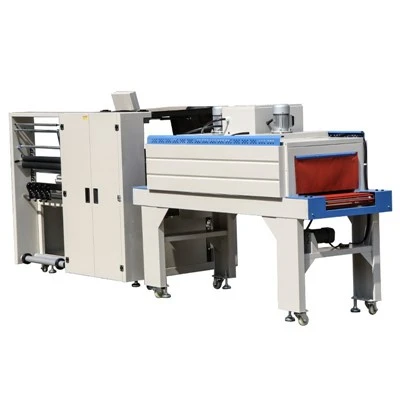
First, let’s set the basics: shrink tunnels work by heating polyolefin, PVC, or other shrink films to their activation temperature, so they can conform tightly around products. The heating element is the core of this process—it’s what generates the heat that turns a loose film sleeve into a secure, professional-looking package. Different elements use different technologies, each with its own pros, cons, and ideal use cases. Let’s dive into the first and most common type: infrared (IR) heating elements.
Infrared elements are everywhere in entry-level and mid-range shrink tunnels, and for good reason. They work on radiation—they emit infrared waves that excite the molecules in the shrink film directly, rather than heating the air around it. This makes them super efficient at heating the film quickly, which translates to faster tunnel speeds. I’ve seen a client in the cosmetic industry go from 15 products per minute to 45 just by upgrading their IR elements, no other changes to the tunnel. But IR elements aren’t perfect. They work best for flat, uniform products—like bottles, boxes, or cans. If you’re packaging something with uneven contours, like a oddly shaped artisanal jar, the IR waves might not reach every angle evenly, leading to inconsistent shrink. Also, IR elements can degrade faster if they’re exposed to dust or film debris, which is a common issue in high-volume packaging lines. I always tell clients using IR elements to schedule monthly cleanings to remove film residue, because even a small layer of grime can cut their heat output by 20% or more.
Next up, convection heating elements. This is the type you’ll find in most industrial-grade shrink tunnels, especially for heavy or irregular products. Convection works by heating air, then forcing that hot air through fans and vents inside the tunnel. The hot air circulates around the product, wrapping around every surface, which means even uneven shapes get uniform heat. A client in the hardware industry once told me that their IR tunnel was leaving gaps on the handle of their power tools, but switching to convection fixed that overnight. Convection is also more forgiving when it comes to debris—since the heat is carried by air, small bits of film don’t build up on the element itself as easily as they do with IR. The downside? Convection elements take longer to heat up, so you have to run the tunnel for 15 or 20 minutes before it’s ready, which can waste energy if your line only runs for a few hours a day. Also, the fans can be noisy, so if you’re in a facility with strict noise limits, you might need to invest in sound-dampening for the tunnel. I recently worked with a food packaging plant that switched to convection specifically because they needed uniform shrink on their irregularly sized snack boxes, and they saved 10% on film waste within the first month.
Then there are ceramic heating elements, which are a middle ground between IR and convection, and they’re growing in popularity right now. Ceramic elements use a ceramic core to generate heat, which they emit as infrared radiation, similar to IR elements, but they heat more evenly across the surface. They’re more durable than standard IR elements—ceramic can withstand higher temperatures and is less prone to cracking from thermal shock, like when cold film enters the tunnel. I had a client who was going through two IR elements a month because their line ran 24/7, and switching to ceramic cut their replacement costs in half. They also heat up faster than convection elements—usually 5 to 10 minutes—so if you have a shift that starts and stops, you don’t have to waste energy keeping the tunnel hot all day. The catch? Ceramic elements are more expensive upfront, and they’re not as good for very high-volume lines. If you’re running 100 products per minute, convection is still more reliable, but for mid-volume operations, ceramic is a great balance of efficiency and durability.
Wait, there’s another type I should mention: quartz heating elements. These are a subset of IR elements, but they’re worth separating because they’re so common in smaller shrink tunnels, like tabletop models for small businesses or prototype lines. Quartz elements are thin, glass-like tubes that heat up quickly—they can reach full temperature in 30 seconds or less. That’s a game-changer for small businesses that don’t have a dedicated packaging line, because you can turn the tunnel on, run a few orders, and turn it off without wasting energy. But quartz elements are fragile—one bump, and they can crack, which means you have to replace them more often than ceramic or convection parts. I always warn bakery owners who use tabletop shrink tunnels for their cake boxes that they need to be careful when moving the tunnel, because a cracked quartz element is a quick fix, but it’s an unexpected cost.
Now, let’s talk about how to choose the right one, because it’s not just about the technology—it’s about your operation. First, think about your product type. If you’re packaging flat, uniform products like canned goods or retail boxes, infrared or quartz elements are a great pick—they’re fast and cost-effective. If your products are irregular, like artisanal goods or hardware tools, go with convection or a high-quality ceramic element to make sure every part of the film shrinks evenly. Next, consider your line volume. If you’re running 24/7, convection is more durable for high throughput. If you’re mid-volume, ceramic is the sweet spot. If you’re small, with a line that runs a few hours a day, quartz’s quick heat-up and cool-down will save you energy costs.
Then there’s maintenance, which I’ve seen trip up a lot of new clients. IR and quartz elements need regular cleaning to remove film residue—even a thin layer can block heat. Convection elements need fan checks and vent cleanings, because if the vents are blocked, the hot air can’t circulate, leading to uneven shrink. Ceramic elements need to be checked for cracks, because a small crack can cause uneven heat output over time. I always include a maintenance checklist with every tunnel I supply, but I also encourage clients to schedule a quarterly tune-up if they’re running their tunnel heavily.
I’ve seen too many people cut corners on heating elements, and it always leads to problems. A few years back, a startup came to me with a cheap shrink tunnel they bought online, using a basic IR element. They were packaging their line of candles, and the film was either too loose or so tight it was squeezing wax out. It turned out the element was underpowered for their candle jars, which are uneven, and the cheap IR element was only heating the top of the film. We swapped it for a convection element with adjustable heat zones, and within a week, their defect rate dropped from 12% to less than 1%. That’s the difference—picking the right heating element isn’t just about matching the technology, it’s about matching it to your products and how you run your business.
Another thing to consider: energy efficiency. With utility costs rising, more clients are asking about elements that use less power. Ceramic and IR elements are more efficient at converting electricity to heat than convection, because they don’t have to heat a large volume of air. But convection is more efficient at delivering that heat to the product, so it balances out. I recently helped a client audit their energy use, and swapping from convection to ceramic elements cut their monthly energy bill for the tunnel by 15%, while still maintaining the uniform shrink they needed for their products. It’s a trade-off, but it’s worth calculating based on your specific usage.
Also, don’t forget about temperature control. Some elements let you adjust the heat in different zones of the tunnel, which is really useful for longer tunnels. For example, you can set the first zone to a lower temperature to preheat the film, the middle zone to the activation temperature, and the final zone to a cooler temperature to set the seal. IR elements are easier to zone, because each element tube can be controlled individually, while convection tunnels might have a few zones for the whole air flow. That’s a big plus if you’re working with different film types—PVC needs a higher temperature than polyolefin, for example, so adjustable zones let you tweak for each run.
I’ve been in this industry long enough to know that there’s no “best” heating element—only the best one for your needs. I’ve seen small craft businesses thrive with quartz tabletop tunnels, large manufacturing plants run 24/7 with convection, and e-commerce brands use ceramic elements to balance speed and cost. The key is to ask the right questions: what are you packaging? How fast are you running? How often do you use the tunnel?
If you’re not sure which heating element is right for your shrink tunnel, I’m here to help. I’ve worked with hundreds of operations, from small startups to Fortune 500 companies, and I can help you assess your current setup, troubleshoot issues, or upgrade to the right element for your line. Whether you need a replacement element, a whole new tunnel, or just advice on maintaining what you have, I’m happy to walk through your needs with you. Don’t let a bad heating element ruin your products or slow down your line—reach out to discuss your requirements, and we’ll find the perfect solution for your shrink packaging needs.
Smart Packaging Systems References
- Shrink Wrapping Technology: A Practical Guide for Industrial Packaging, 2022, Industrial Packaging Association
- Heating Elements for Industrial Shrink Tunnels: Performance and Durability Analysis, 2021, Journal of Packaging Engineering
- Energy Efficiency in Shrink Packaging Systems, 2023, Packaging Technology and Science
Langfang Huanqi Machinery Equipment Co., Ltd.
As one of the most professional shrink tunnels & accessories manufacturers and suppliers in China, we also support customized service. Please feel free to buy advanced shrink tunnels & accessories for sale here from our factory. Quality products and reasonable price are available.
Address: No. 40, Row 11, North Side of Central Street, Wangpeizhuang Village, Pingshu Town, Dacheng County, Langfang City, Hebei Province
E-mail: huanqijixie@outlook.com
WebSite: https://www.huanqiwrap.com/
