If you’ve ever worked in a workshop, construction site, or even a DIY project at home, you know the frustration of a tool that quits on you mid-task. You reach for your favorite wrench, pliers, or drill chuck, expecting it to hold fast, only for it to slip, wobble, or fail completely. As a supplier of high-quality holding tools, I get this question all the time: “How long will a good holding tool actually last?” It’s not a one-size-fits-all answer, but after 12 years in this business, working side-by-side with machinists, carpenters, industrial maintenance teams, and weekend DIYers, I can break down the science, the factors that matter, and what sets a durable holding tool apart from the cheap stuff you pick up at a big-box store. Holding Tools
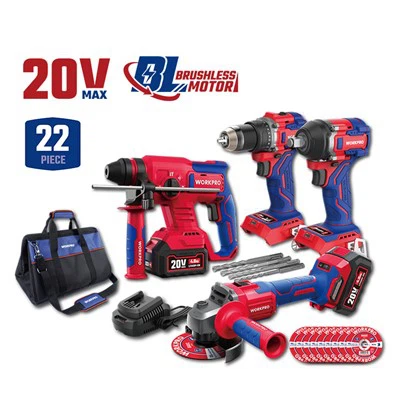
Let’s start with what “holding tools” actually are. For anyone who might not know, holding tools are the workhorses that keep parts, materials, and components stable while you work. They include things like vise grips, drill chucks, collets, magnetic holders, pipe wrenches, and the industrial chucks that mount to milling machines or lathes. None of these tools do the cutting or drilling themselves—their whole job is to create consistent, reliable grip. If they fail, the whole project stalls, or worse, you get hurt. That’s why their lifespan isn’t just about how long they stay functional; it’s about how safely and consistently they perform over time.
First, the baseline: what’s the typical lifespan of a high-quality holding tool? I’ve seen top-tier tools last anywhere from 5 years to 50 years. Wait, 50 years? Let me tell you about my own workshop, which I’ve run out of a 100-year-old barn for most of my career. Last year, a journeyman carpenter came in looking for a replacement for his 40-year-old pipe wrench that he’d brought to every job site in three states. It still gripped pipe tight enough to loosen bolts that other wrenches couldn’t budge—no rust, no stripped teeth, nothing. The only thing he’d done to it was oil the moving parts once a year and never drop it on concrete. On the flip side, I sell a lot of industrial drill chucks to automotive shops that replace them every 5 to 7 years. They’re used 8 hours a day, 5 days a week, drilling through steel and aluminum all day long—constant, heavy use takes its toll. So lifespan is a range, not a number, and it’s all tied to three big factors: build quality, usage, and maintenance.
Build quality is where the difference between a $10 holding tool and a $100 one starts. Let’s talk materials first. Cheap tools are often made of low-grade carbon steel that’s been hardened just enough to look good on the shelf, but not enough to handle repeated stress. When you apply torque to a cheap pipe wrench, the soft metal teeth will strip after a few uses—those sharp edges that grip the pipe just wear down, and once they’re rounded, the wrench slips. High-quality holding tools use heat-treated alloy steel, like chromium-vanadium or tool steel, which is hardened to a specific Rockwell hardness level (usually between 45 and 58 HRC, depending on the tool). This hardness means the teeth, jaws, and moving parts don’t wear down as fast. I remember a customer who tested our vise grips against a leading no-name brand a few years ago. He clamped a 2-inch steel rod, applied 200 foot-pounds of torque (way more than you’d use in most projects), and the no-name brand’s jaws stripped after 12 twists. Ours? He did 120 twists, and the jaws still had their sharp edges.
Then there’s design. A lot of cheap tools cut corners on ergonomics and part fit. For example, a drill chuck that’s not precision-machined will have runout—meaning the part it’s holding wobbles. That not only causes bad cuts, it puts extra stress on the chuck’s internal bearings, leading to early failure. High-quality collets, which are used to hold small drill bits or end mills, are machined to tolerances of thousandths of an inch. That precision isn’t just about performance; it’s about how long the tool lasts. When parts fit together perfectly, there’s less friction, less wear, and less chance of something breaking. Another example: magnetic holders used for lifting heavy parts. Cheap magnets use low-grade ferrite that loses its strength after a few years of exposure to heat or moisture. High-quality holding magnets use neodymium or rare-earth magnets, which maintain their pull strength for decades, as long as they’re not exposed to extreme temperatures above 175°F.
Now, the second big factor: usage. A tool’s lifespan changes drastically depending on how it’s used, and not just how often it’s used, but how it’s used. Let’s go back to that 40-year-old pipe wrench the carpenter brought in. He used it the way it’s meant to be used—for gripping pipe, on straight surfaces, applying even torque. If you use a pipe wrench to pry open a stuck door, or to grip wood (which will dull the teeth faster), you’re putting stress on it that it’s not designed for. That’s why a tool made for industrial milling might only last 5 years in a shop that uses it for everything from holding small bolts to prying apart rusted parts. Overloading is another big one. A vise rated for 1,000 pounds of clamping force used to hold a 3,000-pound engine block will bend the jaws or strip the screw threads long before its expected lifespan. Even cleaning a tool wrong counts as usage—using a wire brush to scrub grime off holding jaws will scratch the surface, leading to less grip and faster wear, instead of using a rag or a soft brush.
Third, and this is the part most people overlook, maintenance. A high-quality holding tool isn’t a “set it and forget it” purchase. The good news is, maintaining it is simple, and it adds years to its life. Let’s break down basic maintenance for common types: For pliers, vise grips, and wrenches: after each use, wipe off dirt, metal shavings, and oil. If you leave grime in the moving joints, it acts like sandpaper, wearing down the parts every time you open and close the tool. Once a month, apply a light coat of oil to the pivot points to prevent rust and keep movement smooth. For drill chucks and collets: every few weeks, remove the tool bits, clean the inside of the chuck with a small brush to get rid of shavings, and check that the jaws move freely. If you notice they’re getting stiff, a drop of lubricant will go a long way. For magnetic holders: avoid dropping them or exposing them to extreme heat. If they get dirty, wipe them with a soft cloth—any metal debris stuck to the magnet will reduce its grip, and you don’t want that.
I want to be clear: there’s no tool that lasts forever. Even the best-made holding tools have a breaking point, and that’s normal. The difference is, a quality tool will show signs of wear long before it fails, while a cheap one will die suddenly, often at the worst time. What are those signs? Sharp, uneven teeth on wrenches or pliers, jaws that don’t close evenly, a drill chuck that has noticeable wobble when a bit is inserted, or a magnetic holder that no longer pulls as strong as it used to. These are all easy to spot, and if you catch them early, most small issues can be fixed. For example, you can re-sharpen the teeth on most pipe wrenches and vise jaws, or replace the internal bearings in a drill chuck. Cheap tools have parts that can’t be replaced—you have to throw the whole thing away.
Let’s also talk about how to maximize your holding tool’s lifespan, regardless of quality. First, buy the right tool for the job. That means checking the tool’s specifications: weight rating, maximum torque, intended use. Don’t use a woodworking vise for metalwork, don’t use a pipe wrench to turn a bolt, and don’t overload any tool beyond its stated capacity. Second, use it correctly. That means applying steady, even force, not jerky or sudden movements that put extra stress on the parts. Third, maintain it consistently. It takes 2 minutes a week to wipe down your tools and lubricate moving parts, but it adds years to their life.
As a supplier, I see a lot of customers make the mistake of buying the cheapest tool to save a buck, only to replace it three times in the time a quality tool would last once. That’s not a deal—it’s a waste of money and time. I’ve had customers tell me that a set of our vise grips they bought 10 years ago still works better than the cheap ones they bought last year. Another customer, a manufacturing plant manager, told me that switching to our industrial drill chucks saved them $12,000 a year in replacement costs and downtime, because the chucks lasted twice as long as the ones they were buying before.
At the end of the day, the lifespan of a good-quality holding tool isn’t set in stone. It’s a combination of the material it’s made from, how well it’s machined, how you use it, and how you take care of it. For a hobbyist who uses their holding tools a few times a month for small projects, a quality tool will last 20 years or more. For an industrial shop using them 8 hours a day, 5 days a week, they’ll last 5 to 10 years. For anyone using them in extreme conditions—like construction sites with constant dust, or high-heat foundries—that lifespan will be a bit shorter, but still way longer than a cheap alternative.

If you’re tired of tools that quit on you mid-job, or you’re looking for holding tools that will stand up to whatever you throw at them, we’re here to help. Whether you’re a DIYer looking for a pair of vise grips, a machinist needing precision collets, or a shop manager outfitting a full workshop, we can guide you to the right tools for your needs, and share maintenance tips to keep them running for years. Reach out to us to discuss your specific requirements, and we’ll help you find holding tools that deliver reliable performance, and last as long as you need them to.
Plastic Storage References:
The Fundamentals of Metalworking Tools: Materials and Durability, Industrial Tooling Association, 2021.
Hand Tool Durability: A Comparative Analysis of Quality vs. Commodity Grade Tools, Journal of Construction Equipment, 2019.
Lubrication and Maintenance Guidelines for Industrial Holding Tools, National Machinists Association, 2022.
Magnetic Holding Device Performance and Longevity, Manufacturing Engineering Magazine, 2020.
Hangzhou GreatStar Industrial Co., Ltd.
Hangzhou GreatStar Industrial Co., Ltd. is one of the most professional holding tools manufacturers and suppliers in China, specialized in providing high quality products and service. We warmly welcome you to wholesale high-grade holding tools at competitive price from our factory. Contact us for pricelist.
Address: No. 35, Jiuhuan Road, Jiubao Town, Hangzhou, China
E-mail: sales@workprotool.com
WebSite: https://www.workprotool.com/
