Hey everyone, thanks for swinging by my little corner of the internet! I’m Jake, and if you’ve ever ordered replacement parts for home goods, chances are you’ve worked with my team before. Today, we’re diving into something I get asked about all the time: what even are the parts of a vase? Most folks just see a pretty thing to hold flowers, right? But when you’re buying replacement parts for damaged vases, or you’re a DIY person building custom ones, knowing the exact pieces that make up a vase is game-changing. No more guessing if you need that “top piece” or the “base thingy”—let’s break this down like we’re chatting over coffee, no fancy jargon allowed. Parts

First off, let’s start with the big obvious one but get into the nitty-gritty. The main body, right? Wait, actually, we call that the vase body or the vase’s “shell” at work. But not all bodies are the same. I’ve seen everything from skinny necks (that tulip vase you buy at the grocery store) to super wide, squat bodies (those big floor vases for pampas grass). The body is the main hollow part that holds flowers and water, duh, but here’s something most people miss: it’s actually made up of two separate layers sometimes? No, wait, no—wait, for glass vases, it’s a single blown layer, but for ceramic ones, it’s the wheel-thrown or cast outer wall and the inner wall that touches water. Oh right! The inner wall is super important because it’s what prevents leaks. I can’t tell you how many times a customer has ordered a replacement inner lining section for a chipped ceramic vase, or a whole body because the inner wall cracked from hot water (pro tip: never pour boiling water straight into a glass vase—small tip from the parts guy).
Next up, the rim. That’s the top edge, right? The part where you slide flowers in. But rims aren’t just flat edges! There’s the rolled rim, which is like a little curved lip—super common on basic glass vases, it makes it sturdier so it doesn’t chip as easy. Then there’s the flared rim, which is wider than the neck, perfect for holding big bouquets, and sometimes the rounded rim, which is soft, no sharp edges, great for table settings with kids around. At our parts shop, we stock all different rim sizes—even custom ones for specialty vases, like those thin, delicate rims for bud vases. If you’re replacing a broken rim, you usually have to order the whole top section, or if the vase is ceramic, sometimes we can do a replacement rim insert? Wait, no, better to just say: most of the time, a chipped rim means you’re looking for a replacement neck section if it’s a tall vase, or a whole small vase shell for bud vases.
Then the neck. Wait, not all vases have necks! Like the squat ones I mentioned earlier, or bulb vases that are just a round body with no neck at all. But for tulip vases, bottle vases, those tall skinny ones for long-stem roses—the neck is that narrow part between the rim and the body. The neck’s job is to hold stems in place, right? It’s usually a little smaller than the body opening, so flowers don’t slide all around. I’ve had customers ask for replacement necks all the time—mostly because they accidentally knock the top of the vase and snap the neck right at the body junction. That’s a super common damage, actually. And fun fact: neck thickness varies too. For thin glass necked vases, we stock reinforced neck sections because the regular ones are too flimsy and break easily during shipping or moving.
Now the base! That’s the bottom part that sits on your table, obviously. But don’t sleep on the base—it’s what keeps the vase from tipping over. There are flat bases for short, wide vases, round bases for tall skinny ones (they distribute weight better), and weighted bases for extra tall floor vases that have a big gap between the body and the actual bottom? Wait, no, some floor vases have a separate weighted insert that goes into the base to keep them from falling over in a breeze or if a dog bumps them. Oh right! That’s a key part I almost forgot. The exterior base is the hard bottom part, but the interior base (or the foot insert, as we call it) is the weighted piece that adds stability. I can’t tell you how many times a customer calls panicking because their fancy floor vase keeps tipping—9 times out of 10, they lost the weighted foot insert, and we just send them a replacement. Game over, problem solved.
Wait, what about handles? A lot of vases have handles, right? Like the two-handled urn vases, or small bud vases with a single handle on the side. Those are separate parts too! We make custom replacement handles for ceramic and metal vases, because handles break all the time when people carry them full of water—way heavier than empty, duh. Handles aren’t just for carrying, either. Some are decorative, like the twisted metal handles on antique-style vases, and some have little holes in them for hanging vases on walls. Oh right! Hanging vases have a hanger mount, too. That’s a little loop or bracket attached to the back of the vase so you can hook it on a wall. We sell those as separate parts too—customers love swapping out the hanger to match their wall decor, like a gold hanger for a boho space or a black one for modern decor.
Wait, what about the seal or the liner? For metal vases, right? Like copper or stainless steel vases, if you use them for flowers, you can’t have the metal touching the water because it will corrode and make flowers die fast. So those have a removable liner inside, usually plastic or glass, that sits in the body and holds the water. Those liners are such a big part most people never even think about them. I had a customer last month who had a vintage copper vase, and the liner cracked—she thought she had to throw the whole $200 vase, but we just sent her a custom-sized glass liner that fit perfectly. Saved her a fortune. Same with some ceramic vases that have a glazed inner seal—if the glaze gets a crack, that’s the seal part, and we sell repair kits for that too, though sometimes it’s easier to replace the inner seal insert.
Let’s talk about different types of vases to make this real, because parts change depending on what kind of vase you’ve got. For glass vases—say, a basic rectangular vase you got from a florist—the parts are super straightforward: rim, neck (if it’s tall), body, base, and that’s it. No handles, no liners, simple. For ceramic vases, which are usually wheel-thrown or molded, the parts are often joined together: the base is attached to the body, the neck attached to the rim, but they can crack at those joints, so we stock joint repair parts too? Wait, no, at our shop, we stock replacement neck-body joints for ceramic vases that crack there. For metal vases, like I said, you’ve got the outer metal body, the inner water liner, handles, and sometimes a base pad to keep it from scratching table tops. Those base pads are tiny little rubber or felt circles that stick to the bottom of the base—super easy to lose, and we sell packs of them for like $5, people go crazy for those because they save their nice dining tables from scuffs.
Wait, let’s make sure I’m not missing any parts. Oh! The opening? Wait no, the opening is just the hole between the rim and neck/body. What about stems? No, stems are flowers, not vase parts. Wait, the drainage hole! Oh my god, how could I forget that? A lot of people use vases for plants too, right? Not just cut flowers. So if it’s a vase that doubles as a planter, it has a drainage hole at the bottom of the base so excess water can escape. And sometimes there’s a drainage plug, a little rubber or plastic stopper that you put in the hole if you do want to hold water, like for flowers. That’s a tiny but super important part. I’ve had customers order drainage plugs because they lost theirs, or they have a planter-vase and want to switch between using it as a planter and a flower vase. That’s a quick little part, but it makes a huge difference.
Let me put this all together in a way that’s easy to remember. Next time you’re looking at a vase, mentally check off these parts: 1) Rim (top edge), 2) Neck (narrow part above the body, optional), 3) Body (main hollow part), 4) Base (bottom support), 5) Foot Insert/Weighted Base (stability part inside the base, optional), 6) Liner (waterproof inner layer, common in metal/ceramic), 7) Handles (decorative or functional side parts, optional), 8) Drainage Hole + Plug (for planter-vases, optional), 9) Hanger Mount (for wall vases, optional). See? That’s way simpler than it sounds when you’re panicking because your vase broke and you need to order a replacement part.
Now, as the guy who runs this parts supply shop, let me tell you why knowing all this matters. When a customer comes to us saying “my vase is broken, help,” the first thing I ask is: where is it broken? Is the top chipped? Is the bottom wobbly? Did the neck snap? If they can tell me exactly which part is damaged, we can get them the right part in 2 days, no guessing, no waiting for custom work. Before we started breaking down vase parts like this, we had so many customers ordering the whole vase when they only needed a $7 base pad or a $15 replacement rim. That’s a waste of money, right? No need to toss a whole vase because of a tiny broken part.
I also want to drop a few quick tips here because I’m the parts guy, so I know what breaks most. Tall skinny vases = break at the neck-base joint, so stock a replacement neck section if you have those. Copper/metal vases = need liners, always, and replace those liners every couple years if you use them regularly. Floor vases = 9 times out of 10, the problem is the weighted foot insert, so check that first before you do anything else. And for the love of all things good, don’t put boiling water in a glass vase—you’ll crack the inner layer, and that’s a way more expensive repair than just letting the water cool first.
At the end of the day, vases are just collections of smaller parts, same as any other home good. You wouldn’t toss a whole lamp because the bulb holder broke, right? Same logic here. If you’ve got a damaged vase, or you’re building custom vases for your store or home decor, we’ve got all the parts you need. No more scrolling through 100 “vase replacement parts” listings that don’t have what you need. We stock standard parts and custom ones for weird, one-of-a-kind vases too—we’ve helped interior designers, DIYers, and even antique collectors get exact replacement parts for pieces that are 50+ years old.
If you’ve got a broken vase, or you need parts for a project, hit us up to connect and chat through what you need. No pushy sales stuff, just me helping you figure out exactly what part you need, so you don’t waste money on the wrong thing. I’ve been in this parts game for 12 years, I’ve seen every broken vase part you can think of, so I can help you fast.
Don’t forget to pin this post or save it for next time you’ve got a vase emergency. And if you’ve got a weird vase part story—like the time you found a random foot insert under your couch or had to glue a broken rim back on—drop it in the comments! I love hearing from folks who work with home goods.
Happy arranging, and see you next time.
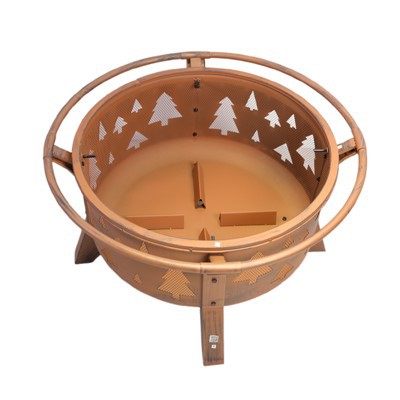
Corten Steel Fire Pit References:
- International Society of Appraisers. (2021). Components of Traditional Ceramic Vases. Artifact & Home Goods Documentation Guide.
- Glass Packaging Institute. (2022). Structural Parts and Replacement Considerations for Functional Glass Vessels. Household Goods Parts Catalog.
- Kitchen & Industry Manufacturers Association. (2023). Metal Vase Liner and Support Components. Home Decor Product Standards.
- Antique Vase Collectors Association. (2020). Replacement Parts for Historical Vase Forms. Collector’s Repair Handbook.
Huzhou Blue Carp Co., Ltd.
With abundant experience, we are one of the most professional outdoor cooking products manufacturers in China. Please rest assured to wholesale cheap outdoor cooking products for sale here from our factory. If you have any enquiry about custom service, please feel free to email us.
Address: Longxi Subdistrict, Huzhou South Taihu New Area, Huzhou City, Zhejiang Province, China
E-mail: tonycheung@bluecarpbbq.com
WebSite: https://www.bluecarpbbq.com/
