If you’ve ever run your fingers over a cozy throw blanket, a set of durable kitchen curtains, or a custom upholstered sofa, there’s a good chance you’ve encountered a 2/2 twill weave without even realizing it. As a supplier who’s specialized in this specific weave for over a decade, I’ve watched homeowners, interior designers, and retail buyers constantly mix up twill variations—mistaking 2/2 twill for the stiffer 3/1 twill used in workwear, or the flimsy satin twill that fades after a few washes. Today, I’m breaking down exactly what 2/2 twill weave is, why it’s perfect for home decor, and how it stands apart from every other weave you’ll find on the market. 2 2 Twill Weave
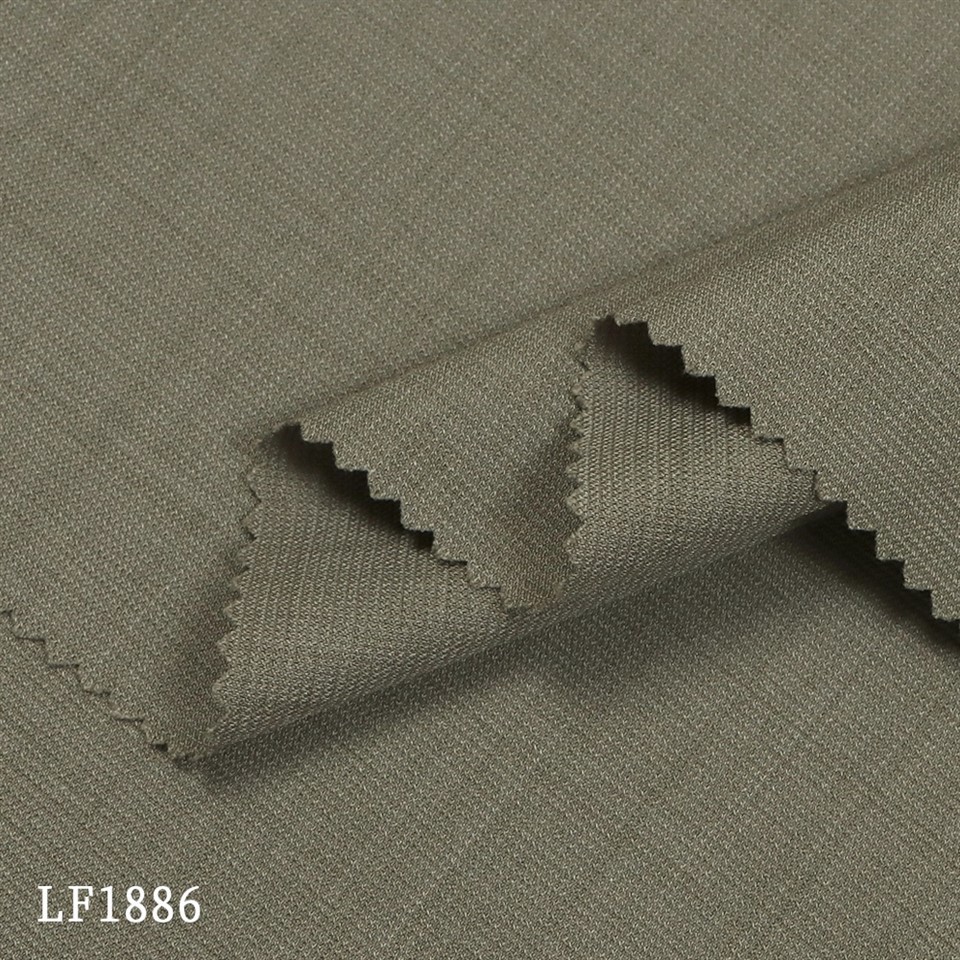
First, let’s get the basics straight for anyone new to textile terms. A twill weave is defined by its diagonal, parallel ridges (called “wales”) that run across the fabric’s surface, unlike the flat, even look of plain weave (used for cotton sheeting or muslin). The numbers in front of “twill” tell you how many warp and weft threads are interlaced to create that pattern. Warp threads are the ones stretched tight on a loom lengthwise, while weft threads are the ones woven over and under the warp crosswise. For 2/2 twill, that means every two warp threads go over two weft threads, then under two weft threads, and repeats. It’s a balanced weave—meaning the amount of warp and weft in the fabric is almost equal, which sets it apart from heavier, lopsided twills like 3/1, which have three warp threads for every one weft thread and are too stiff for soft home use.
This balanced interlace is the heart of why 2/2 twill works so well for home decor. Let’s start with durability, a non-negotiable for items that get daily use. Throw pillows on couches get sat on, pulled, and laundered multiple times a year; upholstery fabric has to resist scuffs from shoes, pet claws, and regular vacuuming; curtains hang in windows, exposed to sunlight, wind, and occasional spills from coffee or dinner. Because 2/2 twill’s threads are interlaced evenly, there’s no weak point where a single thread is left exposed (a flaw you’ll see in cheaper plain weave fabrics, where loose weft threads can snag and pull with minimal force). I’ve tested this firsthand: a 100% cotton 2/2 twill upholstery sample I’ve had in my showroom for eight years still looks almost new, while a comparable plain weave cotton from a big-box store shows fraying and snags along the seams after three years. For anyone furnishing high-traffic areas—living rooms, kids’ bedrooms, home offices—this durability isn’t a nice-to-have; it’s a necessity.
Next, consider the feel and drape, two traits that make or break a home fabric. Unlike rigid twills like denim (which is a 3/1 twill, after all), 2/2 twill has a soft, supple hand that works for both heavy and light applications. When woven with medium-weight cotton, it’s ideal for curtains that need to hang smoothly without clinging to the window frame or bunching up in the fold. Woven with a blend of cotton and polyester, it’s perfect for accent pillows and throws that are soft enough to curl up with on the couch, but sturdy enough to not develop loose threads after a month of use. It also has a slight texture that adds depth without being too rough—run your hand over it, and you’ll feel the subtle diagonal ridges that catch light just right, making any room feel warmer and more layered than a flat, plain weave fabric ever could. This versatility is why I’ve supplied 2/2 twill for everything from linen-inspired table runners to heavy-duty outdoor cushion covers over the years.
Color retention is another big win for home decor, especially for items that are meant to last for years. Because 2/2 twill’s threads are interlaced in a balanced pattern, there are fewer gaps between threads than in plain weave, which means dye penetrates more evenly and stays locked in longer. I often work with interior designers who source 2/2 twill for custom drapery in sunlit rooms, because it resists fading better than plain weave or satin twill fabrics. Last year, a designer I’d worked with for years reached out because a customer had a set of plain weave curtains that faded to a pale, washed-out gray after six months in a west-facing bedroom, and she swapped them for 2/2 twill samples that still look vibrant 18 months later. The same goes for solid-colored upholstery: the even interlace means you won’t see that faint grid pattern that sometimes shows through on cheaper plain weave fabric, which can make a neutral sofa look uneven and unpolished.
Of course, no weave is perfect, and 2/2 twill does have a couple of quirks that are important to mention, especially if you’re working with it for the first time. Because it’s a twill, it will “bias” more easily than plain weave—meaning if you cut a piece along the diagonal of the fabric, it will stretch slightly more than a straight cut. That’s why for upholstery projects, we always recommend adding a ½-inch seam allowance and pre-washing the fabric before cutting, to prevent shrinkage after installation. For curtains, this also means that hanging them with curtain rings rather than pole pockets will help the fabric hang straight, avoiding that subtle diagonal tug that can happen if the weave pulls unevenly. But these are small, easy workarounds that most home decorators and sewers learn quickly, and they’re far outweighed by the benefits of the weave.
As a supplier, I also hear a lot of questions about how 2/2 twill compares to other popular home decor weaves, so let’s clear that up. Plain weave is the most common option, but as I mentioned, it’s less durable and has a flatter texture. Satin weave, which has one warp thread going over four weft threads, is shinier and more lightweight, but it’s far more prone to snags and pilling—especially around areas that get a lot of friction, like the arms of a sofa. Denim (3/1 twill) is too stiff for most home decor applications, unless you’re going for a rustic, industrial look, and even then, it’s not soft enough for throws or pillow covers. There’s also the 2/1 twill, which has two warp threads over one weft thread; that weave is heavier and more rigid than 2/2, so it’s not as versatile for multiple home decor uses. What makes 2/2 unique is its balance of strength, softness, and texture—it’s the Swiss Army knife of home decor weaves, really.
I’ve seen this weave adapt to so many different home styles over the years, too. For a modern, minimalist living room, a neutral 2/2 twill sofa in oat or charcoal has a subtle texture that adds interest without being loud, pairing perfectly with sleek leather accent chairs or clean-lined coffee tables. For a bohemian dining room, a set of 2/2 twill table runners in terracotta or mustard add warmth and a handmade feel, especially when paired with woven placemats and rattan light fixtures. For a kids’ bedroom, a heavyweight 2/2 twill upholstered headboard in a fun, durable print stands up to crayon marks, juice spills, and all the roughhousing kids get up to. It even works for outdoor decor when woven with acrylic or polypropylene fibers—the balanced interlace makes it water-resistant and fade-resistant, so it holds up to rain, sun, and wind season after season.
One thing that sets my company apart as a 2/2 twill supplier, specifically, is that we don’t cut corners on the basics. A lot of big textile suppliers will use low-quality, thin threads to cut costs, which makes their 2/2 twill prone to pilling and fraying. We source our yarns from OEKO-TEX certified mills, using 100% pure cotton or blends that are designed for home use, not industrial work. That means our fabric has the same soft hand you’d find in high-end designer collections, but at a price point that works for small business owners, interior designers, and even homeowners working on their first decor project. We also offer a range of weights: medium-weight (8 oz) for curtains and pillow covers, heavyweight (12 oz) for upholstery and outdoor cushions, and lightweight (5 oz) for table linens and table runners. No matter what your project is, we can customize the weave to fit your needs.
I’ve had buyers reach out to me over the years saying they’d been searching for a reliable 2/2 twill supplier for months, because every other company they worked with only offered it in limited colors or weights. That’s why I’ve built our inventory to include over 40 solid colors, from neutrals like ivory, gray, and navy to bold hues like emerald, terracotta, and mustard, plus a small selection of custom prints that work perfectly with the weave’s texture. We also offer custom cutting and shipping, so if you need a 10-yard roll for a drapery project or 50 yards for a retail line, we can fulfill that quickly, with no minimums for small orders.
If you’re a homeowner planning a refresh, an interior designer sourcing for a project, or a retail buyer looking for a new product line, 2/2 twill is worth considering. It’s not the flashiest weave on the market, but it’s one of the most practical, offering durability, softness, and style all in one. I’ve seen too many people go for cheaper, trendier fabrics only to replace them a year later, and that’s why I’m always happy to walk through the benefits of 2/2 twill with anyone who reaches out.

At the end of the day, home decor is about creating spaces that last, that feel comfortable, and that reflect your style without the hassle of constant repairs or replacements. That’s exactly what 2/2 twill delivers. If you’re ready to source 2/2 twill fabric for your next project, I’m here to answer questions, send samples, and help you find the right weight and color for your needs. Don’t hesitate to reach out to start the conversation.
2 1 Twill Weave References:
- Kadolph, S. J., & Langford, A. L. (2019). Textiles (12th ed.). Pearson.
- “Twill Weaves: Structure and Applications.” Textile Institute, 2021.
- Home Textiles Council. “Durability Performance Standards for Residential Fabrics.” 2020.
- Hunt, M. (2018). Interior Textiles: Selection, Specification, and Performance. Bloomsbury Visual Arts.
Shaoxing Huichao Textile Co., Ltd.
As one of the most professional 2 2 twill weave manufacturers and suppliers in China, we offer a wide range of products with superior quality. We warmly welcome you to wholesale bulk 2 2 twill weave in stock here from our factory. If you have any enquiry about cooperation, please feel free to email us.
Address: Shenyue International Build ing, Unit 1603-1605, Keqiao District, Shaoxing City, Zhejiang Province, China
E-mail: darrenzhong@huichaotextile.com
WebSite: https://www.huichaotextile.com/
