Hey folks, if you’re running a plastic wrapping machine (or you’re a maintenance tech like the ones we work with daily), you know that a clean machine doesn’t just run better—it saves you from headaches mid-shift, cuts down on film waste, and keeps your production line moving. As a supplier who’s been fixing and selling these machines for over a decade, I’ve seen way too many shops skip proper cleaning and end up with stuck rollers, torn film, or even part failures that cost them thousands in downtime. Let’s break this down like we would with a crew on a shop floor—no fancy jargon, just what actually works. Plastic Wrapping Machine
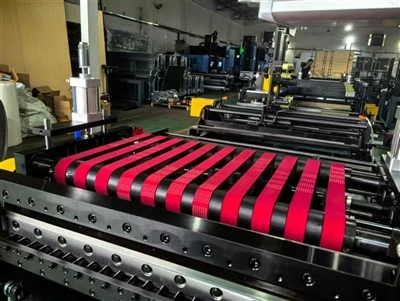
First, before you grab a rag and start scrubbing, let’s get the basics right: why cleaning matters for plastic wrapping machines, specifically. These machines work with stretch film, shrink wrap, and sometimes even food-grade plastic, so leftover resin, adhesive from labels, dust, and tiny plastic shavings build up fast. I’ve seen a machine stop wrapping pallets because a chunk of old film gunked up the tension roller—cost that shop 3 hours of production and $400 in lost orders just because they “didn’t have time to clean that day.” Another one had dust clog the sensor that detects pallet size, so it wrapped a single pallet three times, wasting 20 feet of film. Yeah, that adds up. Cleaning isn’t just a chore—it’s part of keeping your machine profitable.
Now, let’s split this into a step-by-step routine. I’ll cover daily (quick) cleanups, weekly deep cleans, and monthly heavy-duty stuff, because nobody has time to deep clean every single day. That’s key—don’t make this sound like a full-time job; adjust to your use case.
Daily cleanup is what you should do at the end of each shift, no exceptions. This takes 10 minutes max, and it prevents gunk from hardening overnight. First step: unplug the machine. Wait, I can’t stress that enough—don’t skip this. Even if you’re just wiping the front panel, unplugging avoids a slip-up with moving parts or electricals. Once it’s off, start with the parts that touch film the most. The film roll holder is first: pull off any leftover film tails, use a soft nylon brush (not a metal one—scratch marks on rollers = bad film sticking) to sweep away dust and small plastic shavings from the holder pegs. Next, the guide rollers—those little wheels that feed film along the path. Grab a lint-free microfiber cloth (avoid paper towels, they leave lint that gets stuck) and wipe each roller firmly, especially the edges where film feeds in. If there’s a tiny bit of dried adhesive, a dab of rubbing alcohol on the cloth works better than spraying directly—spraying can get into motor parts, and we don’t want that. Then, the cutter bar: that’s the metal bar that snips the film at the end of a wrap. A lot of shops forget this, but a sticky cutter bar will pull film instead of cutting it clean. Wipe it down with that same alcohol dab, and if there’s a big chunk of hardened film, gently pick it off with a plastic spatula (metal will scratch the bar, which dulls the cut over time). Finally, wipe the control panel with a dry cloth—no liquid here, even if it’s sealed, moisture can get into the buttons. That’s daily done.
Now, weekly deep clean. This is 30 minutes, once a week, for when the daily stuff isn’t enough. First, give the machine a once-over for any buildup you missed. Start with the turntable—if you’re wrapping pallets, the turntable spins, so dirt and film can get under it or on the surface where the pallet sits. If it’s a plastic turntable, wipe it down with a mild dish soap and warm water mix (not too much soap, you don’t want suds getting into the motor). If it’s metal, you can use the same mix but dry it right after to prevent rust. Next, the tension adjustment mechanism: that’s the part that pulls the film tight so it doesn’t sag. This is where a lot of gunk hides—between the springs and the tension wheels. Take a small, soft-bristled toothbrush (the kind you use for cleaning nails works great) and brush away dust and resin buildup here. If it’s really sticky, a tiny bit of degreaser (the kind for food equipment, if you’re using this for food products) on the toothbrush, then wipe off with a damp cloth. Don’t spray degreaser directly on the mechanism—get it on the brush first, that way it doesn’t seep into wires. Also, check the sensor windows—those little eyes that tell the machine where the pallet is, so it doesn’t wrap empty space. Dust on these makes them misread, so wipe them with a dry microfiber cloth. If they’re really smudged, a tiny bit of glass cleaner (no ammonia, it can damage plastic sensors) works.
Then there’s monthly maintenance clean—this is an hour-long job, done once a month, that will keep your machine running for years. This is where you’ll get into parts that are a little more involved, so take your time, don’t force anything. First, you’ll need to disconnect the power again, and maybe lift the film roll holder if it’s heavy (pro tip: get a helper, don’t strain your back). Remove the entire film path assembly—most machines have clips or bolts that let you take this off easily. Lay it on a workbench (or a clean floor mat, so you don’t scratch parts) and scrub every roller and guide. If there’s really old, hardened film buildup, you can use a plastic scraper (like a putty knife wrapped in cloth, so it doesn’t scratch) to gently lift the gunk, then wipe with a warm soapy cloth. For any stubborn adhesive, a citrus-based cleaner works better than harsh chemicals—they break down sticky stuff without harming plastic or metal. While the assembly is off, this is a good time to clean the inside of the machine’s frame—dust accumulates there, especially around the motor and belt. Use a vacuum with a narrow brush attachment to suck up loose dust, then wipe the metal frame with a dry cloth. Don’t use a wet cloth here—moisture near motors is a no-go.
Wait, what about parts that you shouldn’t clean? I get asked this a lot. Don’t spray any liquid directly onto the motor, electrical connections, or control board—even if the machine says it’s waterproof, liquid can seep into tiny gaps and cause shorts. Also, never use steel wool or metal brushes on rollers or metal parts—they leave tiny scratches that film sticks to, and over time, those scratches can wear down the rollers, making your film job uneven. And don’t use harsh chemicals like bleach or ammonia—they can fade plastic parts or damage seals on the turntable. If you’re working with food-grade plastic wrapping, stick to food-safe cleaners, obviously—we get a lot of grocery and food processing clients who swear by that.
Also, quick hacks that I’ve picked up over the years: keep a small cleaning kit right by the machine. A pack of microfiber cloths, a bottle of rubbing alcohol, a toothbrush, and a plastic spatula. That way, you don’t have to run to the supply closet every time you notice a spot. And if you’re running a shift with multiple operators, set a rule that each shift does the daily clean—so it’s not just one person’s job. I’ve had shops where one operator forgot to do the daily clean, and by the end of the week, the machine was so gunked up it took an hour to fix.
Now, when should you adjust your cleaning routine? If you’re wrapping really thick, heavy film every day, or you’re working in a dusty shop (like a lumber yard or construction site), you’ll want to bump daily cleans to twice a day, and add an extra deep clean every two weeks. If you’re a small shop that only wraps a couple pallets a day, you can stretch the deep cleans to every two weeks, just keep up with the daily 10-minute stuff.
At the end of the day, the best cleaning routine is the one you actually stick to. A lot of people see cleaning as a waste of production time, but I always tell them: a 10-minute clean every day is way better than a 2-hour repair job when the machine breaks down. We’ve seen machines that ran 10 years with minimal issues just because their shop did regular cleaning, and others that died in 3 years because they skipped it.

If you’re looking to upgrade your current machine, or need parts to keep your existing one running smoothly, reach out to our team. We’ve got all the supplies for cleaning too—from those plastic scraper tools to food-safe cleaners that work perfect for your machine. We can help you figure out what’s right for your setup, no pressure, just straight talk about what will keep your production line moving.
Bag Making Machine References
- Food and Drug Administration (FDA) Guidelines for Cleaning Food Equipment, 2022.
- Industrial Machinery Maintenance Association (IMMA) Best Practices for Preventive Cleaning of Packaging Equipment, 2021.
- Stretch Film Manufacturers Association (SFMA) Guide to Roller Maintenance for Wrapping Machines, 2020.
Dongguan Doublehero Machinery Co., Ltd.
We are one of the most professional plastic wrapping machine manufacturers and suppliers in China, also support customized service. With abundant experience, we warmly welcome you to buy plastic wrapping machine for sale here and get quotation from our factory. For price consultation, contact us.
Address: Wangjin Industrial Area, Xitailong Village,Shatian Town, Dongguan City, Guangdong Province,China.
E-mail: Sxjx20152022@163.com
WebSite: https://www.doubleheromachine.com/
