If you’ve spent any time on or near water—whether for fishing, leisure sailing, or commercial work—you’ve probably seen a rubber ring for a boat, even if you didn’t stop to think about how critical it is. For most people, it’s just a generic floppy circle that looks like something you’d find in a kid’s pool. But as a supplier who’s spent 12 years designing, manufacturing, and shipping these products to marinas, commercial fishermen, and recreational boaters across the globe, I can tell you it’s far more than that. It’s a multi-purpose safety tool, a practical maintenance accessory, and in some cases, a lifeline that keeps small and large vessels running smoothly. Rubber Ring

Let’s start with the basics: what exactly is a boat rubber ring, and why is it different from a toy pool ring? Unlike a flotation device made for lounging, a marine rubber ring (often called a boat bumper ring, fender ring, or docking ring) is built to withstand saltwater, UV rays, rough impacts, and temperature swings that would destroy a regular pool toy. It’s usually made from heavy-duty neoprene, EPDM rubber, or high-density foam wrapped in a rubber casing—materials that don’t crack or break down after months of exposure to sun, waves, and corrosive salt. That durability is non-negotiable, because its primary jobs tie directly to boat safety and function.
First, the most obvious use: protecting your boat. Whether you’re tying up to a piling at a busy marina, pulling alongside another vessel to transfer gear, or navigating a tight, narrow channel where sideswipes are common, a rubber ring acts as a shock absorber. Imagine pulling a 24-foot fishing boat up to a dock on a windy day. Without a bumper, the fiberglass hull would scrape against the wood or metal piling, leaving unsightly and expensive dents, scratches, or even punctures. Our rubber rings are sized to fit different hull types: small 12-inch rings for personal watercraft, 18-inch rings for day cruisers, and even 2-foot heavy-duty rings for commercial fishing boats that make frequent, hard dockings. We’ve had customers tell us a single ring saved them $1,500 in repair bills after a stormy docking, and that’s the kind of real-world value we design for.
But protection isn’t just for the boat’s exterior. There’s a lesser-known use for rubber rings: as flotation aids, especially for small craft like inflatable dinghies or wooden rowboats. If a dinghy takes on water or swells from a wake, a few rubber rings tied to its sides add buoyancy to keep it from sinking—critical if you’re far from shore or out in rough water. We supply rings to local coast guard auxiliaries who use them as quick, compact flotation backups during rescue operations; they’re lightweight enough to stow in a emergency kit, easy to tie on in seconds, and durable enough to last through multiple rescue missions. We also work with recreational boaters who use them as a simple, cheap alternative to expensive inflatable pontoon add-ons for their small fishing boats.
Another key function: mooring and line management. If you’ve ever struggled with a frayed rope rubbing against your boat’s hull or a line slipping under tension, a rubber ring solves that problem. Tying a ring around a mooring line or a dock line creates a buffer that keeps the line from chafing against the hull, which can cause a line to snap unexpectedly mid-voyage. For commercial fishermen who work long days and have multiple lines to manage, this small detail prevents dangerous, costly incidents. We recently supplied a fleet of 50 local shrimp boats with 2-inch rubber rings for their mooring lines; their captains reported a 30% drop in line breaks after installation, which saved them hours of downtime and repair costs during peak season.
Of course, no product is perfect, and there are a few common misconceptions about boat rubber rings that I’ve heard over the years. Some people think all rubber rings are the same, so they buy cheap, off-brand options from a big-box store and wonder why they only last a few months. The difference comes down to material and construction. Cheap rings are often made from thin, low-quality rubber that breaks down quickly in UV light, especially in tropical climates. At our facility, we test every batch of rings by exposing them to simulated saltwater and UV radiation for 6 months to make sure they hold up. We also reinforce the seams and add a nylon inner layer to prevent punctures from barnacles, shells, or accidental impacts with rocks. That extra work adds a few dollars to the cost, but our customers tell us it’s worth it—many of our rings last 3 to 5 years, even with regular use.
Another myth: you only need one rubber ring per boat. That’s not true. The number depends on your boat size, how often you dock, and where you sail. A small rowboat used only on a calm lake might get by with one ring, but a 30-foot sailboat that docks in a crowded marina needs 4 to 6 rings—one for each side, to protect against impacts from all directions. If you sail in areas with strong currents or rough tides, you might want to add extra rings to handle the extra strain. We’ve had customers who started with 2 rings and ended up ordering 8 after a single docking incident that left their hull with a 6-inch scratch; they now stock 4 rings permanently, just in case.
As a supplier, we also get a lot of questions about installation. It’s really simple—no special tools required. Most boat owners use rope or stainless steel clips to tie the rings to their hull, usually along the gunwales (the upper edge of the boat) or near the bow and stern. For inflatable boats, you can even attach the rings to the inflation chambers with strong adhesive, which keeps them secure without adding extra bulk. We include a simple installation guide with every order, and our customer service team is always available to walk someone through it if they’re new to boating. We also sell custom-sized rings for specialty boats, like vintage wooden vessels or custom-built kayaks, because one size doesn’t fit all.
What’s been most rewarding over the 12 years I’ve been in this business is seeing how a small, often overlooked product makes such a big difference in people’s lives. I remember a customer who owned a small charter fishing boat; he told me that a set of our rubber rings helped him avoid a $2,000 repair bill after he accidentally hit a floating log on the way out to the fishing grounds. “That ring was cheaper than a tank of gas,” he said, “and it kept my business running.” Stories like that are why we don’t just sell rubber rings—we make products that keep boats safe, keep people on the water, and save customers money in the long run.
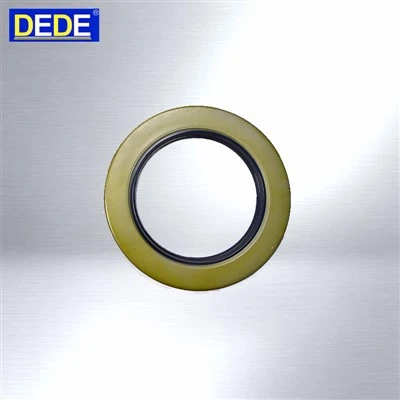
If you’re a boat owner looking to upgrade your docking gear, or a marina manager who needs a bulk supply of durable rubber rings for your customers, we can help. We work with recreational boaters, commercial fleets, coast guard groups, and even marine equipment stores to provide high-quality, affordable rings that fit your needs. Whether you need a single ring for a small rowboat or a thousand rings for a large fleet, we offer competitive pricing, fast shipping, and a 1-year warranty on all our products. Don’t wait for an impact to damage your boat—secure yours with a reliable rubber ring today. Reach out to our team to discuss your requirements and get a personalized quote.
Stainless PTFE Shaft Seal References
- Marine Manufacturers Association. (2022). Recreational Boat Safety Equipment Standards.
- American Boat and Yacht Council. (2021). Hull Protection and Docking Accessory Guidelines.
- International Journal of Marine Engineering. (2020). Durability Testing of Marine Rubber Components in Saltwater Environments.
DEDE SEAL Co., Ltd.
DEDE Seal Co., Ltd. is one of the most experienced rubber ring manufacturers and suppliers in China for over 35 years, featured by quality products and good price. Please feel free to buy bulk customized rubber ring made in China here from our factory. Welcome to contact us for pricelist.
Address: Hunan Road, Pudong New Area, Shanghai, China
E-mail: info@dedeseal.com
WebSite: https://www.dedesealing.com/
