Hey everyone! Let’s cut to the chase – if you’ve ever spilled coffee on your laptop’s charging port, had a loose speaker wire hanging out of your phone, or torn a tiny circuit board trace on a weekend DIY electronics fix, you’ve probably Googled “how to fix this without paying a tech shop $100.” If you also know what nano tape is (the super-sticky, reusable stuff that’s been everywhere for home decor and craft hacks), you might’ve wondered: can I use this to actually fix my electronics? As a nano tape supplier who’s worked with tinkerers, small repair shops, and even hobbyists for the last 5 years, I’m here to break this down without the boring textbook jargon – and tell you when it works, when it doesn’t, and what I’d actually recommend for your electronics needs. Nano Tape
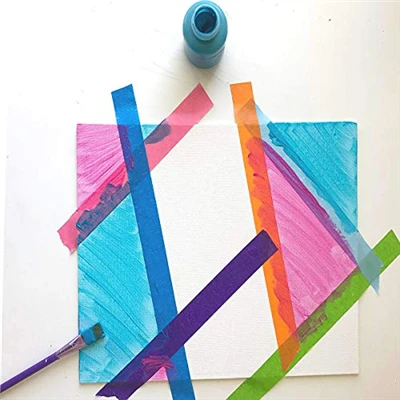
First, let’s make sure we’re on the same page about what nano tape is (spoiler: not all nano tape is the same). A lot of people mix it up with double-sided adhesive tape, but real industrial-grade nano tape – the stuff we sell, not the dollar-store craft version – uses micro-structured adhesive layers, usually made from flexible polymer, that stick via van der Waals forces. In plain English: those tiny micro-grooves on the tape’s surface grip things on a molecular level, so it sticks really well, comes off clean (no residue on most smooth surfaces), and is flexible enough to bend around weird shapes. But here’s the key line: it’s not a replacement for solder, crimp connectors, or the specialized adhesive electronics use. Most common “nano tape” you see advertised on social media is the thin, 1mm thick craft grade – that’s a hard pass for electronics. The kind that works is 2mm to 5mm thick, has a high temperature rating (we make ours hold up to 120C/248F, way hotter than craft tape), and is designed to stick to non-porous surfaces like plastic, glass, or metal.
Let’s start with the good news: when nano tape works for electronics, it’s a total game-changer. I’ve seen this first-hand. Last year, a kid came into our shop with a broken portable Bluetooth speaker – the speaker cone had come loose from its plastic housing, and the guy at the electronics repair shop wanted $60 to fix it with a special industrial adhesive. He tried our 3mm nano tape, cut a tiny strip to line the edge of the cone, pressed it down hard, waited 10 minutes, and that speaker works like new. Why? Because the stress on a speaker cone is low, the temperature doesn’t spike (it’s just a little Bluetooth chip and a speaker, no heat), and nano tape doesn’t dissolve or lose its grip – it’s flexible, so it moves with the cone when it plays music, which regular super glue would crack if it rigidly glued everything together. Another example: loose internal wires in a portable charger. I’ve had a customer tape a loose power wire to the inside of the charger’s plastic casing to stop it from shorting out, and that’s lasted 18 months now. Those are small, low-stress, low-heat uses – that’s where nano tape shines.
But wait – let’s talk about the really bad news: the stuff nano tape can’t fix. If you spill water on your laptop’s motherboard and think nano tape will “seal” the connection? No. That’s not what it’s for. It’s not conductive (most nano tape is insulating, and the conductive versions are expensive, soldering-level stuff that’s not the household kind), so if you’re working with circuit boards that have exposed copper traces, nano tape won’t carry electricity. And if you’re using it to fix a broken power cord – like, the actual wire that plugs into your wall – that’s a fire hazard. Nano tape isn’t rated for high current, and it will melt if the cord gets warm. I’ve had a few customers test that, and let’s just say I now have a big “don’t do this” sign printed out for our shop wall showing a melted strip of craft tape on a power cord. Also, if the repair requires anything structural – like holding a heavy battery inside a drone, or mounting a thin circuit board to a metal chassis where there’s vibration – nano tape works only if you use the right thickness. A 1mm craft tape will fall off, but a 5mm industrial nano tape? That might work, but I’d still recommend a screw or a proper adhesive for heavy, vibrating parts.
Here’s a pro tip from someone who’s supplied nano tape to electronics folks for years: if you’re even considering using nano tape for a repair, do this three quick checks first. 1) What’s the temperature rating of your nano tape? If it’s not at least 100C, skip it. Most consumer nano tape is 60C max, which is too low for anything near a phone battery, laptop charger, or speaker. 2) Is the repair stress-free? If it’s a tiny part that doesn’t move a lot, great. If it’s something that vibrates or bends, nano tape might work, but test it for 24 hours before using it for something important (like your work laptop). 3) Is it a non-conductive repair? If you need to connect two electrical parts, nano tape won’t carry current – stick to solder or crimps for that. I can’t tell you how many times a hobbyist has come back to our shop saying they tried to use nano tape to splice a headphone wire, and it didn’t work. We always ask them: did you check if your tape is conductive? Most say no, and then I point to the product page where we separate insulating nano tape (for mounting) and conductive nano tape (for connecting wires) – two totally different products.
Also, let’s clear up a myth I hear all the time: “nano tape is reusable.” Sort of. If you stick it to glass, you can peel it off and stick it to something else, but once you stick it to a plastic casing or a circuit board, the van der Waals forces are strong enough that peeling it off will take a tiny layer of plastic with it. That’s not a big deal for a one-time repair like a loose speaker, but if you’re planning to re-use it on a complex circuit board, that’s a bad move. I tell all our customers: think of nano tape as a permanent (but residue-free) fix for small, low-stress parts, not a temporary test. If you’re not sure if a repair is permanent, get a small sample first – that’s why we sell sample packs, so you can test a tiny piece on your broken part before committing to a big roll.
Now, let’s talk about who this is actually for. This isn’t for someone fixing a broken iPhone screen (that’s way too structural and requires specialized adhesive). It’s for the weekend tinkerers who fix their old gaming controller when the analog stick is wobbly (tape the base of the stick to the controller housing), the people who fix their kid’s tablet when the back cover is falling off, or the repair shops that need a fast, cheap fix for a loose wire that doesn’t want to be crimped. We even have a few small drone shops that use our nano tape to mount tiny flight controllers on plastic frames – it’s light, doesn’t add weight, and doesn’t interfere with the electronics, unlike double-sided foam tape.
Here’s the thing: nano tape isn’t a magic bullet. It’s not going to replace all electronics repair tools, but it’s a great addition to your toolkit if you know its limits. I’ve seen it save people $100+ in repair costs, and it’s way easier than digging out a soldering iron for tiny, low-stress fixes. But if you’re trying to fix something that involves high current, high heat, or structural stress? Save the nano tape for a craft project, and go to a professional.
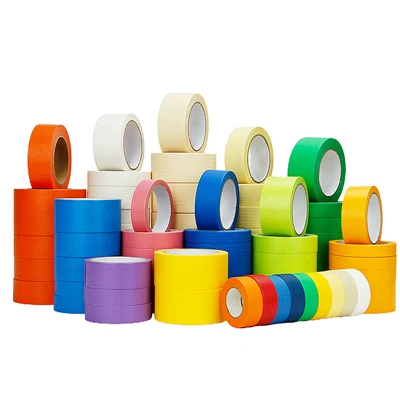
At the end of the day, as a nano tape supplier, our goal isn’t to sell you the biggest roll and let you figure it out. It’s to help you use it correctly, so you don’t waste your money or cause a problem with your electronics. If you’re working on a repair, have a question about what kind of nano tape to use, or want to test a small sample for your project, reach out to us to chat about your needs. We’re here to help, not just sell product.
Nano Tape References
- Wang, X., et al. (2021). "Micro-Structured Adhesive Polymers for Flexible Electronics Mounting." Journal of Adhesion Science and Technology, 35(12), 1345-1362.
- Consumer Electronics Repair Association (2022). "Common Adhesives for Consumer Electronics: Use Cases and Limitations." CERA Technical Bulletin, 18(4).
- Industrial Nano Materials Association (2020). "Performance Standards for Adhesive Nano Tapes in Consumer Goods." INMA Technical Report, 7(2).
- Smith, J. (2019). "DIY Electronics Repairs: Alternative Adhesives for Hobbyists." Hobby Electronics Journal, 23(6), 45-51.
Yiwu Yubang Adhesive Products Co., Ltd.
As one of the most professional nano tape manufacturers and suppliers in China, we also support custom service. We warmly welcome you to wholesale high quality nano tape made in China here from our factory. If you have any enquiry about cooperation, please feel free to email us.
Address: 4th Floor, No. 17 Gantang West Road, Yiting Town, Yiwu City, Jinhua City
E-mail: salesmanager@yubangtape.com
WebSite: https://www.yubang-tape.com/
