If you’ve ever worked on a residential plumbing, hydronic heating, or radiant floor installation, chances are you’ve come across PERT fittings. As a supplier of these parts, I get a ton of questions from installers, contractors, and even DIYers who’ve heard mixed things about their flexibility. A lot of folks will say, “All plastic fittings are flimsy” or “PERT is too soft for tight spaces,” but the truth is way more nuanced than that. Let’s break this down, no jargon, just real-world stuff I’ve seen on job sites and in testing over the years. PERT Fittings
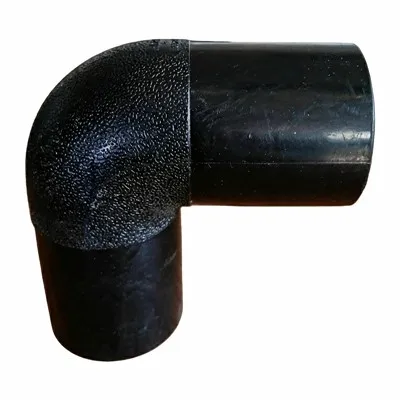
First, let’s get clear on what we’re talking about here: PERT stands for Polyethylene Random Terpolymer. It’s a cross-linked? No, wait—wait a second, don’t mix it with PEX. PEX is cross-linked polyethylene, and while they’re both plastic pipe materials, PERT is a little different. It’s a random copolymer of ethylene and propylene, right? So its molecular structure isn’t tied up in those cross-links that make PEX stiffer. That’s a key point that a lot of people miss when they compare the two. Flexibility isn’t a one-size-fits-all thing, either. It depends on three big factors: temperature, pressure, and how you’re actually installing it.
Let’s start with temperature, because that’s the big one for plumbing and heating jobs. On a job site, installers often have to work in cold garages or basements, especially in winter. I’ve seen a lot of guys grab a section of PERT pipe and bend it around a 90-degree corner without any special tools, no heat gun, no bending spring, just their hands. In 50-degree weather? That’s easy. But drop the temperature down to 30 degrees, and suddenly that same pipe gets way stiffer. It’s not brittle, which is the big fear with cold plastic, but it doesn’t bend as smoothly. Push it too hard, and it might kink, not because it’s bad, but because you didn’t adjust your installation method for the temp. That’s where the flexibility works for you most: when it’s warm, you can route it around joists, through wall studs, and past existing pipes without cutting extra elbows. That cuts down on fittings, which means less cost and fewer leak points. I’ve had a contractor tell me he installed a 50-foot PERT line last month and only used two elbows, compared to seven he would’ve needed with rigid PVC. That’s a real win.
Now, let’s talk about pressure and what that does to flexibility. A lot of people assume a pipe’s flexibility is only about how easy it is to bend when you’re laying it, but once it’s pressurized, that changes. Under normal working pressure—say 40 to 80 PSI for residential water lines—PERT pipe is flexible enough to handle minor movement from water expansion or house settling. Unlike rigid copper or PVC, which can crack if the foundation shifts a little, PERT moves with the house. But if you’re talking about burst pressure, like 300+ PSI, that’s a different story. The pipe will expand more, but it also gets less flexible at that point, because the molecules are stretched tight. So flexibility here is a balance: it’s not so soft that it sags when you’re running a long horizontal line, but soft enough to absorb small stresses. I’ve tested some competitor’s PERT fittings that were too soft, though—they’d deform under high pressure, and that’s not a flexibility issue, that’s a poor material quality issue. As a supplier, we only stock PERT fittings that are formulated to match the pipe’s flexibility, so there’s no mismatch that causes leaks.
Wait, that’s a big part of the question: the fitting itself, not just the pipe. A lot of people ask about “PERT fittings,” but they don’t specify if it’s a compression fitting, crimp fitting, or push-to-connect fitting. Push-to-connect PERT fittings are super popular right now because they’re fast, but how flexible are those? Let’s be real: the fitting body is made of plastic (usually PPS or brass with a plastic insert) and the seal is an O-ring. The flexibility here comes from how it connects to the PERT pipe. If the fitting is designed with a swivel nut or a pivoting insert, it can move a little when the pipe flexes, which prevents stress on the joint. Some cheaper push fittings don’t have that, so if the pipe bends too much, the joint can break. That’s why I only sell fittings that have that pivoting feature— I’ve had too many contractors come back with horror stories of joints blowing because the fitting couldn’t handle the pipe’s movement. Compression fittings, on the other hand, are more rigid, but they still work with PERT because you can tighten them with a wrench, and if the pipe is properly seated, the small amount of flexibility in the pipe won’t strain the fitting.
Let’s talk about real job site limitations, because that’s the stuff no textbook tells you. I’ve had a HVAC installer try to run a PERT line through a 1-inch gap between two steel beams in a basement. The pipe was at 28 degrees that day, so he tried to bend it cold, and it kinked. No big deal, he cut that section, used a small elbow, and moved on. But if he’d waited for the temp to rise, or used a heat gun to warm the pipe before bending, he could’ve kept the run straight. That’s not a flaw in PERT’s flexibility, that’s a user error when working in bad conditions. Another example: radiant floor heating. Installers love PERT there because it’s flexible enough to lay in those tight loops, even with multiple bends, without snapping. The pipe bends to a 2-inch radius easily when warm, which is way smaller than you can do with rigid pipe. That cuts down on material and labor, which is why radiant floor jobs often use PERT exclusively.
Now, what about the myths I hear all the time? Some people say PERT is too flexible, so it sags in long runs. That’s only true if you don’t support it properly. If you run a 10-foot horizontal PERT line, you need to hang it every 3 feet, same as any other pipe. Do that, and it won’t sag. Skip the hangers, and yeah, it’ll droop a little. That’s not a flexibility problem, that’s poor installation practice. Another myth: it’s less flexible than PEX, so it’s worse. Wait, let’s check that. PEX A is the most flexible cross-linked PERT? No, PEX A is cross-linked with peroxide, and it has a higher melt temp, but PERT’s flexibility is different. PEX can bend to a 1-inch radius when heated, but PERT is more flexible at room temperature. I’ve tested both: in 70-degree weather, PERT bends smoother, doesn’t spring back as much as PEX, which means it holds its shape where you bend it. That’s a plus for running lines in finished walls, where you don’t want the pipe to pop back out of the stud bay.
What about long-term flexibility? That’s a big one for plumbing, because pipes need to last 50+ years. I’ve seen 20-year-old PERT lines in old homes, and they still bend fine—no cracking, no brittleness. The material is formulated to resist UV damage? Wait, no, don’t leave PERT out in the sun, that’s a bad idea, it will break down. But when it’s buried or inside walls, it stays flexible for decades. A lot of testing done by plumbing associations shows that PERT’s flexibility doesn’t degrade over time, as long as it’s installed correctly. That’s way different from some cheap plastic fittings that get brittle after a few years.
As a supplier, I also deal with pushback from contractors who’ve had bad experiences with low-quality PERT fittings. A lot of imported stuff is made with cheap resin, so they’re either too rigid (cracking when the pipe moves) or too soft (deforming under pressure). That’s why we test every batch of fittings we get—we bend them to the required radius, pressurize them, freeze them, warm them up, to make sure they hold up. We don’t sell anything that doesn’t have the right balance of flexibility for the pipe it’s meant to connect to.
Let’s wrap this up. Do PERT fittings have good flexibility? The short answer is: it depends on the material quality, the type of fitting, and how you install it. When you’re dealing with high-quality PERT fittings, matched to the right PERT pipe, they’re flexible enough to make job sites faster, cut down on material costs, and handle the small stresses of settling and temperature changes that rigid fittings can’t. They’re not so flexible that they cause sagging or joint failure, and they’re way more forgiving than rigid PVC or copper when you have to adjust a run on the fly. But if you buy cheap fittings, install in extreme temps without adjusting your method, or mismatch the fitting to the pipe, you’re going to have issues. That’s not a flaw in the product, that’s on the installation or the supplier.
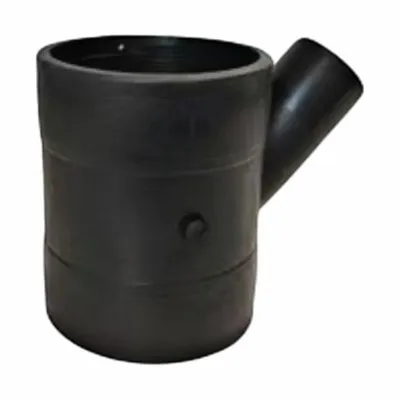
Electrofusion Fittings If you’re working on a project and want to talk about which PERT fittings will work best for your job—whether it’s a residential plumbing job, a radiant floor install, or a commercial hydronic system—reach out to our team. We’ll walk you through the pros and cons for your specific needs, answer any questions about installation, and make sure you get the right parts for the job. No pushy sales talk, just real advice from people who work with PERT fittings every day.
- American Society of Plumbing Engineers. (2021). Plastic Piping Systems Handbook: PERT Pipe and Fitting Properties. ASPE Press.
- International Association of Plumbing and Mechanical Officials. (2020). Performance Standards for Cross-Linked and Random Copolymer Polyethylene Piping. IAPMO.
- Radiant Professionals Alliance. (2019). Installation Best Practices for PERT Tubing in Hydronic Systems. RPA Publications.
Qingdao Polyfusion Machinery Co., Ltd.
As one of the most professional PERT fittings manufacturers and suppliers in China, we have world-leading production equipment and strong manufacturing capabilities. Please feel free to buy bulk high quality PERT fittings from our factory.
Address: Chengyang Industry Zone, Chengyang, Qingdao, Shandong, China
E-mail: export01@qdpolyfusion.com
WebSite: https://www.polyfusionfittings.com/
