In the contemporary healthcare landscape, the integration of innovative materials and technologies is pivotal for enhancing patient care, improving operational efficiency, and driving medical advancements. As a dedicated supplier of Fabric, I have witnessed firsthand the transformative potential of this versatile material in the healthcare industry. This blog post delves into the various applications of Fabric in healthcare, highlighting its benefits and exploring how it can revolutionize the way medical services are delivered. Fabric

Wound Care and Dressings
One of the most significant applications of Fabric in healthcare is in wound care. Traditional wound dressings often have limitations in terms of absorbency, breathability, and adherence. Fabric-based dressings, on the other hand, offer several advantages that make them an ideal choice for wound management.
Fabric dressings can be engineered to have high absorbency, effectively wicking away excess moisture from the wound site. This helps to create a moist environment that promotes faster healing and reduces the risk of infection. Additionally, the breathability of Fabric allows for the exchange of oxygen and carbon dioxide, preventing the buildup of moisture and promoting a healthy wound environment.
Another key benefit of Fabric dressings is their ability to conform to the shape of the wound. This ensures a secure and comfortable fit, reducing the risk of dressing displacement and improving patient comfort. Some Fabric dressings are also designed to be antimicrobial, helping to prevent the growth of bacteria and other pathogens in the wound.
Furthermore, Fabric dressings can be customized to meet the specific needs of different types of wounds. For example, they can be impregnated with medications or growth factors to enhance the healing process. This personalized approach to wound care can lead to better outcomes and faster recovery times for patients.
Surgical Gowns and Draperies
Surgical gowns and draperies are essential components of the operating room environment. They provide a barrier between the patient and the surgical team, helping to prevent the spread of infection. Fabric plays a crucial role in the design and functionality of these protective garments.
High-quality Fabric used in surgical gowns and draperies offers excellent barrier properties, effectively blocking the transmission of bacteria, viruses, and other contaminants. This helps to reduce the risk of surgical site infections, which are a major concern in healthcare settings.
In addition to their barrier function, Fabric surgical gowns and draperies are also designed to be comfortable and breathable. Surgeons and other operating room staff often spend long hours in these garments, so it is important that they are lightweight and allow for easy movement. Fabric materials can be selected to provide the right balance of comfort and protection, ensuring that the surgical team can perform their duties effectively.
Moreover, Fabric surgical gowns and draperies can be designed to be disposable or reusable. Disposable gowns and draperies offer the advantage of convenience and reduced risk of cross-contamination. They can be easily discarded after use, eliminating the need for laundering and sterilization. Reusable gowns and draperies, on the other hand, can be more cost-effective in the long run and are environmentally friendly.
Patient Bedding and Linens
Patient bedding and linens are another area where Fabric has a significant impact in healthcare. Comfortable and clean bedding is essential for patient well-being and recovery. Fabric materials can be used to create high-quality bedding and linens that meet the specific needs of healthcare facilities.
Fabric bedding and linens can be selected for their softness, durability, and ease of cleaning. Soft Fabric materials help to improve patient comfort, especially for those who are bedridden or have sensitive skin. Durable Fabric ensures that the bedding and linens can withstand frequent washing and use, maintaining their quality over time.
In addition to comfort and durability, Fabric bedding and linens can also be designed to have antimicrobial properties. This helps to prevent the growth of bacteria and other pathogens, reducing the risk of infections in the healthcare environment. Some Fabric materials are also treated to be flame-resistant, providing an added layer of safety in case of a fire.
Furthermore, Fabric bedding and linens can be customized to match the decor of the healthcare facility. This can help to create a more pleasant and inviting environment for patients, which can have a positive impact on their mental and emotional well-being.
Medical Textiles for Rehabilitation
Fabric is also used in the development of medical textiles for rehabilitation purposes. These textiles are designed to support and improve the function of the body during the rehabilitation process.
For example, compression garments made from Fabric are commonly used in the treatment of lymphedema and other circulatory disorders. Compression garments apply pressure to the affected area, helping to reduce swelling and improve blood flow. The Fabric used in these garments is typically stretchy and breathable, ensuring a comfortable fit and allowing for easy movement.
Another application of Fabric in rehabilitation is in the development of orthopedic braces and supports. These devices are used to provide stability and support to the joints and muscles, helping to prevent further injury and promote healing. Fabric materials can be used to create lightweight and flexible braces and supports that are comfortable to wear and allow for a full range of motion.
In addition, Fabric can be used in the development of assistive devices such as wheelchair cushions and seat covers. These devices are designed to improve the comfort and functionality of wheelchairs, making them more accessible and user-friendly for patients with mobility impairments.
Hospital Furnishings and Decor
Fabric is also widely used in the design and decoration of hospital furnishings and interiors. The use of Fabric in hospital settings can help to create a more comfortable and inviting environment for patients, visitors, and staff.
Fabric can be used to upholster chairs, sofas, and other furniture in waiting rooms, patient rooms, and other areas of the hospital. Soft and comfortable Fabric materials can help to reduce stress and anxiety for patients and visitors, creating a more relaxing and pleasant atmosphere.
In addition, Fabric can be used to create curtains, drapes, and wall coverings in hospital rooms. These decorative elements can help to add color and warmth to the environment, making it more homely and less clinical. Fabric can also be used to create privacy partitions in patient rooms, providing a sense of privacy and dignity for patients.
Furthermore, Fabric can be used in the development of hospital uniforms and scrubs. Comfortable and functional uniforms are essential for healthcare staff, as they spend long hours on their feet and need to be able to move freely. Fabric materials can be selected to provide the right balance of comfort, durability, and style, ensuring that healthcare staff look and feel their best.
Conclusion
In conclusion, Fabric has a wide range of applications in the healthcare industry, from wound care and surgical gowns to patient bedding and rehabilitation textiles. The versatility and functionality of Fabric make it an ideal material for enhancing patient care, improving operational efficiency, and creating a more comfortable and inviting healthcare environment.
As a Fabric supplier, I am committed to providing high-quality Fabric products that meet the specific needs of the healthcare industry. Our Fabric materials are carefully selected and engineered to offer the best combination of performance, comfort, and safety. Whether you are looking for wound dressings, surgical gowns, patient bedding, or other healthcare products, we have the expertise and resources to provide you with the right solution.
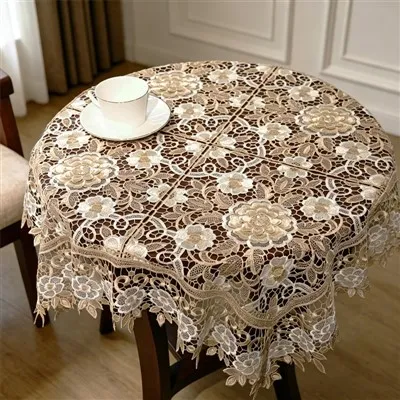
Embroidery Fabric If you are interested in learning more about how our Fabric products can be applied to your healthcare facility, please do not hesitate to contact us. We would be happy to discuss your specific requirements and provide you with a customized solution. Let’s work together to revolutionize the way healthcare is delivered and improve the lives of patients around the world.
References
- Brown, S. (2019). The Role of Fabric in Wound Care. Journal of Wound Care, 28(1), 23-28.
- Chen, Y., & Wang, J. (2020). Development of Antimicrobial Fabric for Healthcare Applications. Textile Research Journal, 90(13-14), 1720-1730.
- Davis, R. (2018). Surgical Gowns and Draperies: A Review of Current Technologies. American Journal of Infection Control, 46(6), 675-681.
- Smith, J. (2021). The Use of Fabric in Patient Bedding and Linens. Healthcare Design Magazine, 15(2), 34-39.
- Wilson, L. (2020). Medical Textiles for Rehabilitation: A Review of Current Research. Journal of Rehabilitation Medicine, 52(10), 1-9.
Shandong Shengrun Textile Co., Ltd.
With over 15 years of experience, Shandong Shengrun Textile Co., Ltd. is one of the most professional fabric manufacturers and suppliers in China. Please rest assured to buy or wholesale durable fabric in stock here from our factory.
Address: 9th Floor, Hui Ji Business Tower, Ren Cheng District, Ji Ning, Shan Dong, China
E-mail: liang@shengrungroup.com
WebSite: https://www.shengruntextile.com/
