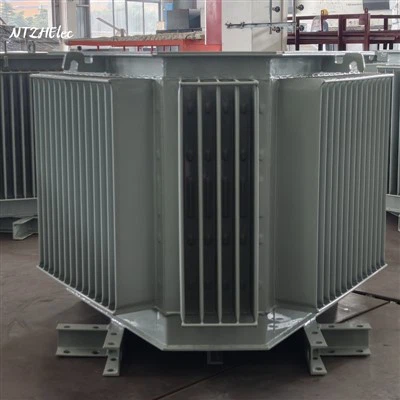
As a seasoned supplier of oil conservators for transformers, I’ve witnessed firsthand the diverse inquiries that customers have regarding the costs associated with these crucial components. In this blog post, I aim to shed light on the various factors that contribute to the cost of an oil conservator for a transformer, offering insights that will help you make informed decisions when considering a purchase. Oil Conservator In Transformer
Understanding the Role of an Oil Conservator in a Transformer
Before delving into the costs, it’s essential to understand why oil conservators are so important in transformers. Transformers are integral to the electrical power distribution system, stepping up or stepping down voltage as required. The oil in a transformer serves multiple purposes: it acts as an insulator, preventing electrical discharges, and as a coolant, dissipating heat generated by the transformer’s operation.
However, the oil volume in a transformer changes with temperature variations. During operation, the oil heats up and expands; when the transformer cools down, the oil contracts. An oil conservator provides the extra space needed to accommodate these volume changes, ensuring that the transformer remains properly filled with oil at all times. It also helps to reduce the contact of the oil with atmospheric oxygen, which can cause oxidation and degradation of the oil over time.
Factors Affecting the Cost of an Oil Conservator
1. Size and Capacity
One of the most significant factors influencing the cost of an oil conservator is its size and capacity. Transformers come in a wide range of sizes, from small distribution transformers used in residential areas to large power transformers in substations. The size of the oil conservator must be proportionate to the volume of oil in the transformer.
Larger capacity oil conservators require more materials for construction, such as steel for the tank and associated fittings. The manufacturing process also becomes more complex, as larger units may require additional structural reinforcements to ensure stability. As a result, the cost of a larger oil conservator is typically higher than that of a smaller one.
2. Material Quality
The quality of materials used in the construction of an oil conservator has a direct impact on its cost. High – quality materials offer better durability, corrosion resistance, and performance, but they also come at a premium.
For example, the tank of an oil conservator is often made of steel. Stainless steel, which is more resistant to corrosion than carbon steel, is more expensive. Similarly, the gaskets and seals used in the oil conservator need to be made of materials that can withstand the chemical properties of the transformer oil and environmental conditions. High – grade rubber or synthetic materials for gaskets will increase the overall cost but provide a longer service life and better sealing performance.
3. Design and Complexity
The design of an oil conservator can vary significantly depending on the specific requirements of the transformer. Some oil conservators have simple designs with basic structures, while others may incorporate advanced features such as level indicators, breather connections, and protective devices.
A more complex design with additional features will naturally cost more. For instance, an oil conservator with a sophisticated level monitoring system that can provide real – time data on the oil level and temperature increases the functionality but also adds to the manufacturing cost. Additionally, custom – designed oil conservators that need to meet specific geometric or installation requirements will be more expensive due to the additional engineering and manufacturing efforts involved.
4. Manufacturing Standards and Certification
Compliance with industry standards and certification is crucial for oil conservators used in transformers. Different regions and applications may have specific standards that the oil conservator must meet, such as IEC, ANSI, or national standards.
Achieving these standards requires additional quality control measures during the manufacturing process, including testing for dimensional accuracy, pressure resistance, and material properties. Manufacturers also need to invest in the necessary equipment and personnel to ensure compliance. As a result, oil conservators that are certified to meet high – level industry standards tend to be more expensive than those without such certifications.
5. Market Conditions
The cost of an oil conservator is also influenced by market conditions. Fluctuations in the prices of raw materials, such as steel, can have a significant impact on the manufacturing cost. If the price of steel increases due to factors like supply shortages or increased demand, the cost of producing oil conservators will rise accordingly.
Competition in the market also plays a role. In a highly competitive market, suppliers may offer more competitive prices to attract customers. However, in a market with limited competition or high demand, prices may be higher.
Cost Ranges
It’s difficult to provide an exact cost for an oil conservator as it depends on the factors mentioned above. However, I can give you a general idea of the cost ranges.
For small – scale distribution transformers with relatively low oil volumes, the cost of an oil conservator can start from a few hundred dollars. These are typically simple designs with standard materials and may not have advanced features.
For medium – sized transformers used in commercial or industrial applications, the cost of an oil conservator can range from a few thousand dollars to tens of thousands of dollars. These models may have custom – designed features, higher – quality materials, and compliance with industry standards.
In the case of large power transformers used in high – voltage substations, the cost of an oil conservator can be extremely high, often reaching hundreds of thousands of dollars. These oil conservators require large capacities, high – grade materials, and complex designs to meet the demanding requirements of the power grid.
Making the Right Choice
When considering the purchase of an oil conservator, it’s important to balance cost with quality and performance. While a lower – cost option may seem attractive initially, it may not provide the long – term reliability and functionality needed for your transformer.
Conversely, the most expensive option may not always be necessary for your specific application. It’s crucial to evaluate your requirements carefully, including the size of the transformer, environmental conditions, and any regulatory or operational requirements.
As a supplier, I can offer customized solutions based on your specific needs. Whether you need a simple and cost – effective oil conservator for a small project or a high – end, feature – rich model for a large – scale power transformer, we have the expertise and resources to deliver.
Conclusion
In conclusion, the cost of an oil conservator for a transformer is determined by a variety of factors, including size, material quality, design complexity, manufacturing standards, and market conditions. Understanding these factors will help you make an informed decision when purchasing an oil conservator.
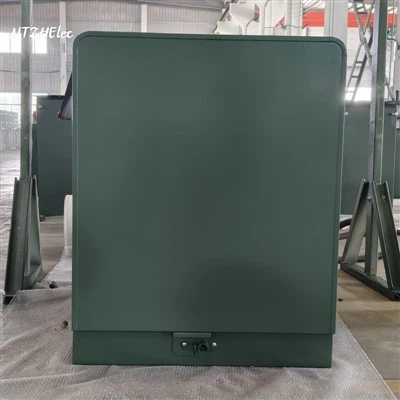
Pole Mounted Transformer Oil Tank At [Provider’s Company], we are committed to providing high – quality oil conservators at competitive prices. Our team of experts can work with you to understand your requirements and recommend the most suitable solution. If you are interested in purchasing an oil conservator or would like to discuss your specific needs further, please feel free to contact us. We look forward to the opportunity to assist you in ensuring the reliable operation of your transformers.
References
- Electrical Power Systems Engineering Handbook, Second Edition
- Transformer Engineering: Design, Technology, and Diagnostics by G. K. Dubey
- Standards and guidelines from relevant industry bodies such as IEC, ANSI
Nantong Zhihe Electric Co., Ltd.
As one of the most professional oil conservator in transformer manufacturers and suppliers in China, we’re featured by quality products and low price. Please rest assured to wholesale cheap oil conservator in transformer made in China here from our factory. Customized orders are welcome.
Address: NO.202 Jianghai West Road, Hai’an Town, Hai’an City, Jiangsu Province
E-mail: colt.ntzh@gmail.com
WebSite: https://www.ntzhelectric.com/
