As a supplier of lifting points, I’ve been deeply involved in the industry for quite some time. Evaluating the performance of a lifting point is a crucial task that not only ensures safety but also guarantees the efficiency of lifting operations. In this blog, I’ll share some key aspects and methods on how to evaluate the performance of a lifting point based on my practical experience and industry knowledge. Lifting Point

Load – Bearing Capacity
The most fundamental aspect of evaluating a lifting point is its load – bearing capacity. This refers to the maximum weight that a lifting point can safely support. It is determined by several factors, including the material of the lifting point, its design, and manufacturing process.
Material
The material of a lifting point plays a vital role in its load – bearing capacity. High – strength steels are commonly used in the production of lifting points due to their excellent tensile strength and toughness. For example, alloy steels with specific chemical compositions can provide higher strength compared to ordinary carbon steels. When evaluating a lifting point, it’s important to know the material grade and its mechanical properties. A lifting point made of a high – quality alloy steel will generally have a higher load – bearing capacity and better resistance to fatigue and corrosion.
Design
The design of the lifting point also affects its ability to bear loads. A well – designed lifting point should distribute the load evenly across its structure. For instance, a forged lifting point with a smooth and continuous shape can reduce stress concentrations, which are potential areas for failure. The shape of the connection part between the lifting point and the load – bearing structure is also crucial. A proper design ensures a stable and secure connection, preventing the load from slipping or the lifting point from detaching during operation.
Manufacturing Process
The manufacturing process has a significant impact on the load – bearing capacity of a lifting point. Precision forging or machining processes can ensure the internal structure of the lifting point is homogeneous and free from defects such as cracks or voids. Heat treatment is another important step. Proper heat treatment can enhance the hardness, strength, and toughness of the material, improving the overall performance of the lifting point. To evaluate the manufacturing quality, one can check for certifications and quality control records provided by the manufacturer.
Fatigue Resistance
Lifting points are often subject to repeated loading and unloading during their service life. Fatigue resistance is, therefore, an important performance indicator.
Stress Analysis
To assess the fatigue resistance of a lifting point, stress analysis is necessary. Finite element analysis (FEA) is a commonly used method in the industry. By using FEA software, engineers can simulate the stress distribution on the lifting point under different loading conditions. This helps to identify areas where stress concentrations are likely to occur, which are the weak points prone to fatigue failure. For example, sharp corners or sudden changes in cross – section can cause high – stress areas. By modifying the design to smooth out these areas, the fatigue resistance of the lifting point can be improved.
Fatigue Testing
In addition to theoretical analysis, fatigue testing is a direct way to evaluate the fatigue resistance of a lifting point. This involves subjecting the lifting point to a large number of cyclic loads under controlled conditions. The number of cycles until failure is recorded, and this data can be used to estimate the service life of the lifting point under actual operating conditions. A lifting point with a higher number of cycles to failure indicates better fatigue resistance.
Corrosion Resistance
Lifting points are often exposed to various environmental conditions, such as humidity, chemicals, and saltwater. Corrosion can significantly reduce the strength and performance of a lifting point over time.
Material Selection
Choosing corrosion – resistant materials is the first step in ensuring the corrosion resistance of a lifting point. Stainless steels are a popular choice due to their inherent corrosion – resistant properties. They contain chromium, which forms a passive oxide layer on the surface, protecting the material from further corrosion. In addition, coatings can be applied to the surface of the lifting point to enhance its corrosion resistance. For example, galvanizing is a common coating method that provides a protective zinc layer on the surface of the steel.
Environmental Testing
To evaluate the corrosion resistance of a lifting point, environmental testing can be conducted. This may involve exposing the lifting point to a specific corrosive environment, such as salt – spray testing. In a salt – spray test, the lifting point is placed in a chamber where it is sprayed with a saltwater solution for a certain period. After the test, the extent of corrosion on the surface of the lifting point is evaluated. A lifting point with less corrosion damage indicates better corrosion resistance.
Safety Factors and Standards Compliance
When evaluating a lifting point, safety factors and compliance with relevant standards are essential considerations.
Safety Factors
A safety factor is a multiplier applied to the expected maximum load to ensure that the lifting point can safely handle unexpected loads or variations in operating conditions. The appropriate safety factor depends on the application and the level of risk associated with the lifting operation. For example, in critical applications where a failure could result in serious injury or property damage, a higher safety factor is required.
Standards Compliance
Lifting points must comply with relevant national and international standards. These standards define the requirements for design, manufacturing, testing, and inspection of lifting points. For example, in Europe, the EN 1677 series of standards specifies the requirements for various types of lifting points. Compliance with these standards ensures that the lifting point is designed and manufactured to a certain quality level and can be safely used in lifting operations. When evaluating a lifting point, it’s important to check for the relevant standards compliance marks and certifications.
Ease of Installation and Maintenance
The performance of a lifting point is also affected by its ease of installation and maintenance.
Installation
A well – designed lifting point should be easy to install. It should have clear installation instructions and proper connection interfaces. For example, a lifting point with a standard bolt – on design can be quickly and easily installed on the load – bearing structure. This reduces the installation time and labor costs, and also ensures that the installation is carried out correctly.
Maintenance
Maintenance is an important aspect of ensuring the long – term performance of a lifting point. A lifting point that is easy to maintain can save time and cost. It should be easy to inspect for signs of wear, damage, or corrosion. For example, a lifting point with a simple and accessible design allows for quick visual inspections. In addition, replacement parts should be readily available, and the maintenance process should be straightforward.
Conclusion
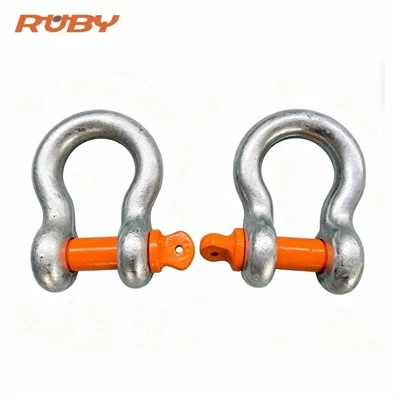
Evaluating the performance of a lifting point is a comprehensive process that involves considering multiple aspects, including load – bearing capacity, fatigue resistance, corrosion resistance, safety factors, standards compliance, and ease of installation and maintenance. As a lifting point supplier, I understand the importance of providing high – quality products that meet the performance requirements of our customers.
Chain Sling If you are in the market for reliable lifting points and want to discuss your specific needs, I encourage you to reach out. We can have a detailed conversation about the performance requirements of your lifting operations and how our products can meet those needs. Whether it’s a small – scale project or a large – scale industrial application, we have the expertise and products to provide you with the best solutions.
References
- ASME B30.26 – Safety Standard for Below – the – Hook Lifting Devices.
- EN 1677 – Series of European standards for lifting points.
- Machinery’s Handbook, 31st Edition, Industrial Press Inc.
Hangzhou Ruby Imp. & Exp. Co., Ltd.
As one of the most experienced lifting point manufacturers and suppliers in China, we offer a wide range of products with superior quality. We warmly welcome you to wholesale custom made lifting point at competitive price from our factory.
Address: Taoyuan Industrial Park, Puyang Town, Xiaoshan, Hangzhou, Zhejiang, China.
E-mail: Sales5@z2lifting.com
WebSite: https://www.rubylifting.com/
