Hey there, fellow truck enthusiasts! I’m a supplier of used trucks, and I’ve seen my fair share of fuel line issues over the years. In this blog post, I’ll walk you through how to check the fuel lines on a used truck. Whether you’re a buyer looking to make a smart purchase or a current owner doing some maintenance, these tips are gonna come in handy. Used Truck

First things first, why is it so important to check the fuel lines? Well, the fuel lines are a critical part of the truck’s fuel system. They carry the fuel from the tank to the engine, and if there’s any problem with them, it can lead to all sorts of issues. Leaky fuel lines can cause a loss of fuel pressure, which means the engine might not get enough fuel to run properly. This can result in poor performance, rough idling, or even complete engine failure. Plus, fuel leaks are a major safety hazard because fuel is highly flammable.
So, let’s get started with the inspection process. Before you do anything, make sure the truck is parked in a well – ventilated area and the engine is turned off. You don’t want any sparks or heat sources near the fuel lines when you’re checking them.
Visual Inspection
The first step is a visual inspection. This is the easiest and quickest way to spot any obvious problems. Start by looking at the exterior of the fuel lines. You’ll usually find them running along the frame of the truck, connecting the fuel tank to the engine. Check for any signs of wear and tear, like cracks, holes, or fraying.
Cracks can be hard to spot, especially if they’re small, so take your time and look closely. If you see a crack, it’s a big deal. Even a tiny crack can lead to a fuel leak over time. Fraying is also a bad sign. It means the outer layer of the fuel line is breaking down, and if it continues, it can expose the inner part of the line, which could lead to a leak.
While you’re looking at the lines, check for any signs of corrosion. Corrosion can eat away at the metal parts of the fuel lines, weakening them and making them more likely to fail. Look for rust or discoloration on the metal connectors or clamps that hold the fuel lines in place. If the corrosion is bad enough, it might be necessary to replace the affected parts.
Another thing to look for is kinks or bends in the fuel lines. A kink can restrict the flow of fuel, causing problems with the engine. If you find a kink, you might be able to straighten it out carefully, but in some cases, it might be better to replace the line.
Checking the Connections
Next, you need to check the connections at both ends of the fuel lines. The fuel lines connect to the fuel tank and the engine, and these connections need to be tight and secure.
Start by looking at the clamps that hold the fuel lines to the connectors. Make sure they’re not loose or damaged. If a clamp is loose, it can allow fuel to leak out. You can use a screwdriver to check the tightness of the clamps, but be careful not to overtighten them, as this can damage the fuel lines.
Inspect the connectors themselves for any signs of damage. Look for cracks, leaks, or signs of fuel residue around the connectors. If you see any fuel, that’s a clear sign that there’s a problem with the connection. Sometimes, the O – rings or gaskets inside the connectors can wear out, causing a leak. If this is the case, you’ll probably need to replace the O – ring or gasket.
Pressure Test
If you want to be really thorough, you can do a pressure test on the fuel lines. This will help you detect any leaks that might not be visible during a visual inspection.
To do a pressure test, you’ll need a fuel pressure gauge. You can usually rent one from an auto parts store if you don’t have one. First, locate the test port on the fuel rail. This is where the fuel pressure gauge will connect.
Once you’ve connected the gauge, start the engine. The gauge will show the fuel pressure. Compare the reading to the manufacturer’s specifications for the truck. If the pressure is too low, it could mean there’s a leak in the fuel lines or a problem with the fuel pump. If the pressure is too high, it could indicate a blockage in the lines.
While the engine is running, carefully inspect the fuel lines for any signs of leaks. You might see a small spray of fuel or a wet spot on the line. If you find a leak during the pressure test, it’s important to address it right away.
Flexibility Check
Fuel lines need to be flexible enough to bend and move with the truck’s normal operation, but they shouldn’t be too soft or brittle. To check the flexibility of the fuel lines, gently squeeze a section of the line between your fingers.
The line should feel firm but still have some give to it. If the line is too hard and brittle, it might be old and prone to cracking. On the other hand, if it’s too soft and spongy, it could be swollen or damaged by fuel additives or contaminants.
The Fuel Filter
Don’t forget about the fuel filter! The fuel filter is an important part of the fuel system, and a clogged fuel filter can cause problems that might seem like fuel line issues.
Locate the fuel filter, which is usually along the fuel line somewhere between the fuel tank and the engine. Check the filter for any signs of dirt, debris, or damage. If the filter is clogged, it can restrict the flow of fuel and cause the engine to run poorly. In most cases, it’s a good idea to replace the fuel filter when you’re inspecting the fuel lines, especially if the truck has high mileage.
After the Inspection
Once you’ve completed the inspection, you’ll have a better idea of the condition of the fuel lines. If you found any problems, you need to decide whether to repair or replace the fuel lines.
For minor issues, like a loose clamp or a small crack, you might be able to make a simple repair. You can replace the clamp or patch the crack with a fuel – resistant epoxy. However, for major problems, like extensive corrosion or multiple cracks, it’s usually best to replace the entire fuel line.
As a used truck supplier, I always recommend having a professional mechanic check the fuel lines before you buy a used truck. They have the tools and expertise to do a more in – depth inspection and can give you an accurate assessment of the fuel system’s condition.
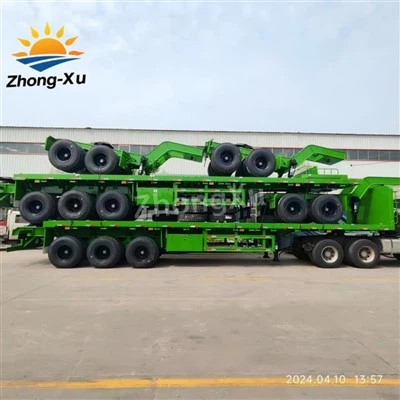
If you’re in the market for a used truck, don’t hesitate to reach out. We’ve got a great selection of trucks, and we make sure to thoroughly inspect all the components, including the fuel lines, before we put the trucks up for sale. Whether you need a truck for hauling, construction, or any other purpose, we can help you find the right one. Just contact us to start the conversation about purchasing a used truck that suits your needs.
Sitrak Truck References
- "Automotive Fuel Systems: Theory, Diagnosis, and Service" by James D. Halderman
- "The Haynes Owners’ Workshop Manual" for various truck models
Liangshan Zhongxu Automobile Trading Co., Ltd.
As one of the leading used truck manufacturers and suppliers in China, we provide high quality modern transport vehicle with competitive price. Welcome to buy high-grade used truck for sale here from our factory. If you have any enquiry about quotation, please feel free to email us.
Address: Feichi Automobile Industrial Park, No. 1 Jiangjie Road, Liangshan County, Shandong Province, China.
E-mail: 95340278@qq.com
WebSite: https://www.zhongxu-auto.com/
