Durability is a critical factor when it comes to PVC printing film, especially for those of us in the business of supplying this versatile product. As a PVC printing film supplier, I’ve witnessed firsthand the importance of understanding its durability and how it impacts various applications. In this blog, we’ll explore the different aspects that contribute to the durability of PVC printing film, looking at both the material properties and the environmental factors that can affect it. PVC Printing Film

Understanding the Basics of PVC Printing Film
Let’s start by briefly explaining what PVC printing film is. PVC, or polyvinyl chloride, is a synthetic plastic polymer known for its wide range of applications. PVC printing film is a thin, flexible sheet made from PVC that is designed to be printed on. It has excellent printability, which allows for high – resolution and vivid color printing.
The structure of PVC printing film typically consists of a base PVC layer, a print – receptive coating, and sometimes a protective topcoat. The base layer provides the physical strength and flexibility of the film, while the print – receptive coating enables sharp and long – lasting prints. The protective topcoat, if present, can further enhance the film’s durability by protecting it from external factors.
Factors Contributing to the Durability of PVC Printing Film
1. Material Quality
The quality of the PVC resin used in the film is the foundation of its durability. High – quality PVC resins have better resistance to chemical degradation, UV radiation, and mechanical stress. When we source PVC resins for our printing films, we pay close attention to the manufacturer’s reputation and the resin’s specifications. Resins with a higher molecular weight generally offer better strength and durability.
For example, some low – grade PVC resins may contain impurities that can cause the film to become brittle over time. In contrast, high – quality resins are more homogeneous and have better chemical stability. This means that the film is less likely to crack, yellow, or lose its color under normal use conditions.
2. Coating and Laminating
The print – receptive coating and any additional protective coatings play a significant role in the durability of PVC printing film. The print – receptive coating should not only allow for excellent ink adhesion but also protect the ink from fading or scratching.
We often use specialized coatings that are formulated to be resistant to abrasion, chemicals, and UV rays. For instance, a UV – resistant coating can significantly extend the lifespan of the printed film when it is used outdoors. Laminating the PVC printing film with a clear protective layer can also add an extra level of durability. The laminate acts as a shield, protecting the print and the base film from physical damage, moisture, and environmental contaminants.
3. Thickness
The thickness of the PVC printing film is another important factor in its durability. Generally, thicker films are more robust and can withstand more stress. Thicker films are less likely to tear or puncture, making them suitable for applications where durability is a high priority, such as outdoor billboards or industrial signage.
However, it’s important to strike a balance, as extremely thick films may be less flexible and more difficult to handle during installation. Our product range includes various thicknesses of PVC printing film to meet the diverse needs of our customers. We can recommend the appropriate thickness based on the specific application, ensuring that our customers get the optimal combination of durability and flexibility.
Environmental Factors Affecting Durability
1. UV Radiation
Ultraviolet (UV) radiation from the sun is one of the most significant environmental factors that can affect the durability of PVC printing film. Prolonged exposure to UV rays can cause the PVC to degrade, leading to color fading, brittleness, and surface cracking.
To mitigate the effects of UV radiation, we use UV – stabilizers in our PVC printing films. These stabilizers absorb and dissipate UV energy, preventing it from causing damage to the film. When our customers use our PVC printing film for outdoor applications, such as banners or storefront signs, we always recommend using products with high – quality UV – stabilizers to ensure long – lasting colors and structural integrity.
2. Temperature and Humidity
Extreme temperatures and high humidity levels can also impact the durability of PVC printing film. In hot and humid conditions, the film may become more prone to warping, delamination, and mold growth. On the other hand, in cold temperatures, the film can become brittle and more likely to crack.
Our PVC printing films are designed to have a certain degree of temperature and humidity resistance. However, for applications in extreme environments, we may recommend additional protective measures. For example, in areas with high humidity, we suggest using a moisture – resistant laminate or adding a dehumidification step during storage.
3. Chemical Exposure
PVC printing film can be exposed to various chemicals in different environments, such as cleaning agents, solvents, and industrial pollutants. Exposure to certain chemicals can cause the film to swell, discolor, or lose its structural integrity.
To address this issue, we offer PVC printing films that are formulated to be resistant to a wide range of common chemicals. Before using our films in an environment where they may come into contact with chemicals, we encourage our customers to conduct a small – scale chemical compatibility test to ensure that the film will perform as expected.
Testing the Durability of PVC Printing Film
As a responsible PVC printing film supplier, we conduct rigorous testing to ensure the durability of our products. We use a variety of testing methods, including:
1. Weathering Tests
Outdoor weathering tests involve exposing the PVC printing film to natural environmental conditions for an extended period. This allows us to observe how the film performs under real – world conditions, including the effects of UV radiation, temperature changes, and precipitation.
We also use accelerated weathering chambers, which simulate the effects of long – term outdoor exposure in a shorter period. These chambers can control factors such as UV intensity, temperature, and humidity, allowing us to quickly evaluate the film’s durability.
2. Abrasion Tests
Abrasion tests are used to measure the film’s resistance to wear and tear. We use standardized testing equipment to rub a test material against the surface of the PVC printing film under a specified pressure and number of cycles. The results of these tests help us determine the film’s ability to withstand physical contact and friction.
3. Chemical Resistance Tests
To assess the film’s chemical resistance, we expose samples to various chemicals and observe any changes in appearance, size, or mechanical properties. These tests help us ensure that our films can withstand exposure to common chemicals in different applications.
Applications and the Importance of Durability
The durability of PVC printing film is crucial in various applications.
1. Outdoor Signage
For outdoor signage, such as billboards, building wraps, and vehicle graphics, durability is essential. These signs are exposed to harsh weather conditions, UV radiation, and physical impacts. A durable PVC printing film ensures that the signs remain visually appealing and maintain their structural integrity for an extended period.
2. Interior Decoration
In interior decoration applications, such as wall murals, decorative films for furniture, and retail displays, durability also matters. The film needs to resist scratches, moisture, and color fading, especially in high – traffic areas.
3. Packaging
In the packaging industry, PVC printing film is used for product labels, shrink sleeves, and flexible packaging. The durability of the film ensures that the packaging looks good throughout the product’s shelf life and protects the contents from environmental factors.
Conclusion
In conclusion, the durability of PVC printing film is influenced by a combination of factors, including material quality, coating and laminating, thickness, and environmental conditions. As a PVC printing film supplier, we are committed to providing our customers with high – quality products that offer excellent durability.
We understand that each application has unique requirements, and we work closely with our customers to recommend the most suitable PVC printing film for their needs. Whether you are looking for a film for outdoor signage, interior decoration, or packaging, our products are designed to meet the highest standards of durability.
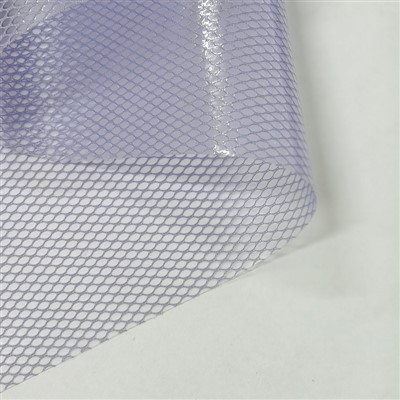
If you are interested in learning more about our PVC printing film products or have specific requirements for your project, we invite you to contact us. Our team of experts is ready to assist you in selecting the right product and providing you with detailed information about our supply options. Don’t hesitate to start a conversation with us, and let’s work together to find the best PVC printing film solution for your business.
PVC Film References
- Billmeyer, F. W., & Saltzman, M. (1984). Principles of Polymer Science. Wiley – Interscience.
- Wypych, G. (2019). Handbook of Material Weathering. William Andrew.
- ASTM International. Various ASTM standards related to plastics testing, including abrasion resistance, weathering, and chemical resistance.
Nantong Dahe Composite New Material Technology Co., Ltd.
We’re well-known as one of the leading PVC printing film manufacturers and suppliers in China, specialized in providing high quality customized products to global clients. Please feel free to wholesale cheap PVC printing film in stock here from our factory. Contact us for quotation and free sample.
Address: South Side of Pinghai Highway, Pinghe Village, Dongshe Town, Tongzhou District, Nantong City, Jiangsu Province, China
E-mail: nantongdahe@outlook.com
WebSite: https://www.cndahetech.com/
