Yo, what’s up everyone? I’m in the stone table game, and let me tell you, these stone tables aren’t just chunks of rock. They’re like time – capsules loaded with some seriously cool cultural heritage value. Stone Table
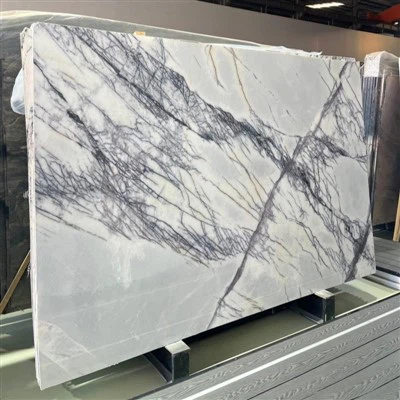
First off, let’s think about history. Stone tables have been around for ages. Back in the day, our ancestors used them for all sorts of things. In ancient civilizations, they were often centerpieces in religious ceremonies. Picture a big, flat stone table in the middle of a temple. Rituals, sacrifices, and important communions with the gods would happen right on top of it. It was like a direct line to the divine. The Egyptians, for example, had stone tables in their temples. These tables were carved with all kinds of symbols and hieroglyphics. Each scratch and curve told a story about their beliefs, their pantheon of gods, and the way they saw the world. And those stories? They’re a big part of our cultural heritage now. They give us a peek into a time when life was very different, but the human need for connection and meaning was the same.
Then there’s the aspect of craftsmanship. Stone is tough. Working with it requires skill, patience, and a deep understanding of the material. When you look at an old – fashioned stone table, you can’t help but wonder about the hands that shaped it. The stonemasons of the past didn’t have modern tools. They used hammers, chisels, and a whole lot of elbow grease. Every chip and polish was done by hand. The patterns they created were often based on traditional designs that were passed down from generation to generation. These designs were part of a cultural tapestry. They could represent family crests, local flora and fauna, or even mythical creatures. So, it’s not just a table; it’s a piece of living art that shows off the skill and creativity of those who came before us.
In different cultures, stone tables also had practical uses that were deeply ingrained in daily life. Take the Mediterranean region. Stone tables were commonly used in the courtyard of homes. Families would gather around them to eat their meals, share stories, and make important decisions. It was the heart of the household. And during harvest festivals, those same tables would be loaded up with all the fruits and vegetables of the season. The act of setting up a table like that was a celebration of the land, the community, and the hard work that went into growing the food. It was a way of life that has been passed down and is still very much a part of the cultural identity in those areas.
Now, let’s talk about how these stone tables are a symbol of stability and permanence. Stone doesn’t change easily. It withstands the test of time, just like the values and traditions that are associated with it. When you have a stone table in your home or business, it’s like having a little piece of history that’s not going to fade away. It gives a sense of grounding and connection to something bigger than yourself. In some cultures, stone tables are even seen as a symbol of family continuity. They’re passed down from one generation to the next, carrying with them the memories and stories of all the people who have sat around them.
As a stone table supplier, I get to see the impact these tables can have. I’ve had customers who are looking to add a touch of history to their modern – day spaces. They want to create a connection to the past, to bring in some of that old – world charm. And when they choose a stone table from us, it’s not just a purchase; it’s an investment in cultural heritage.
For restaurants, a stone table can transform the dining experience. It gives the place a sense of authenticity. Customers can feel like they’re part of something more than just a meal. They’re sitting at a table that could have been used in a similar setting hundreds of years ago. It adds a layer of depth and character that you just can’t get with a regular table.
In museums and historical sites, stone tables are often on display. They’re used to educate people about different cultures and time periods. They’re like silent teachers, showing us how people lived, what they believed in, and how they interacted with each other. And as a supplier, I’m proud to be a part of making these pieces available for preservation and education.
If you’re thinking about adding a stone table to your space, whether it’s for a personal home, a business, or a cultural institution, you’re not just getting a piece of furniture. You’re getting a piece of history, a piece of art, and a connection to the cultural heritage of humanity. It’s a decision that can bring a whole new dimension to your environment.

So, if you’re interested in learning more about our stone tables, or if you’re ready to start a conversation about a potential purchase, don’t be shy. Reach out to us to start that procurement chat. We’re here to help you find the perfect stone table that fits your needs and your vision.
Grey Marble References:
- "History of Stone in Architecture", various historical studies on ancient building materials
- "Cultural Significance of Furniture in Different Societies", research on the role of furniture in cultural heritage
- "Traditional Stone – working Techniques", documentation on the craftsmanship of stone tables through the ages
Xiamen Yigong Import and Export Co., Ltd.
As one of the most professional stone table suppliers in China, we also support customized service. With abundant experience, we warmly welcome you to buy high quality stone table for sale here from our factory. For price consultation, contact us.
Address: No.850-2 Xingxi Road, Houxi Town, Jimei District, Xiamen
E-mail: ella@xmyigong.com
WebSite: https://www.yigongstone.com/
